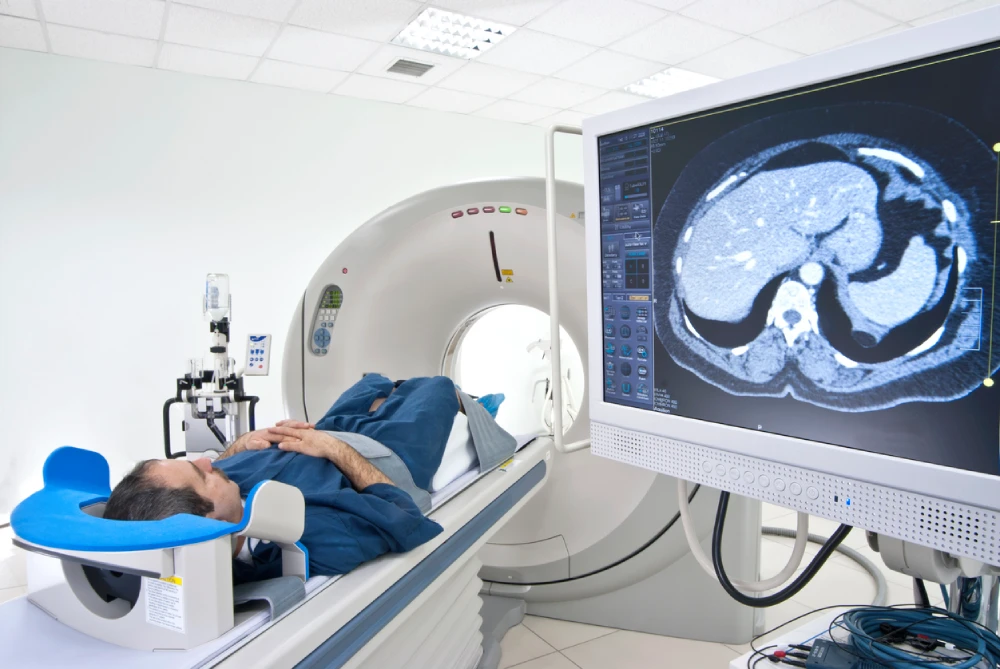
The thought of entering an MRI machine is a scary prospect for many patients. Conventional MRI machines are fitted into a small tube that resembles a tunnel. They can cause panic attacks or make participants feel like they can’t breathe or need to escape, even long before an examination is concluded, especially for people who suffer from claustrophobia.
If the thought of having an MRI has ever made you claustrophobic MRI, you’re not alone. It is well documented that a large proportion of patients suffer from claustrophobia during MRI scans, and are unable to complete the examination.
Open MRI machines, unlike what would be considered a normal closed-bore machine, have a wider space to both see out of and for many people the ability to look further away into a more open environment. The result is a more comfortable experience that lets patients remain in the imaging as long as necessary without discomfort — and still get excellent, detailed diagnostic images.
When a patient cannot be in the scanner due to their fear, early discontinuation of the test or not completing at all can result. This will delay diagnosis and treatment, especially for back pain, joint injuries, or neurologic conditions where MRI is the gold standard for imaging.
With their typical narrow-bore design, traditional MRI machines tend to largely hem in the patient to obtain a significant number of images.
For the claustrophobic patient, these design factors prove uncomfortably noticeable. Patients may fidget, shift, or even exit the scanner mid-test; all reflect their fear and result in blurred images or incomplete studies leads to repeat appointments, longer waits, and delayed treatment plans.
We’ve addressed the very real shortcomings in these MRI Closed models by making the physical environment of MRI more open, which directly reduces anxiety in many ways.
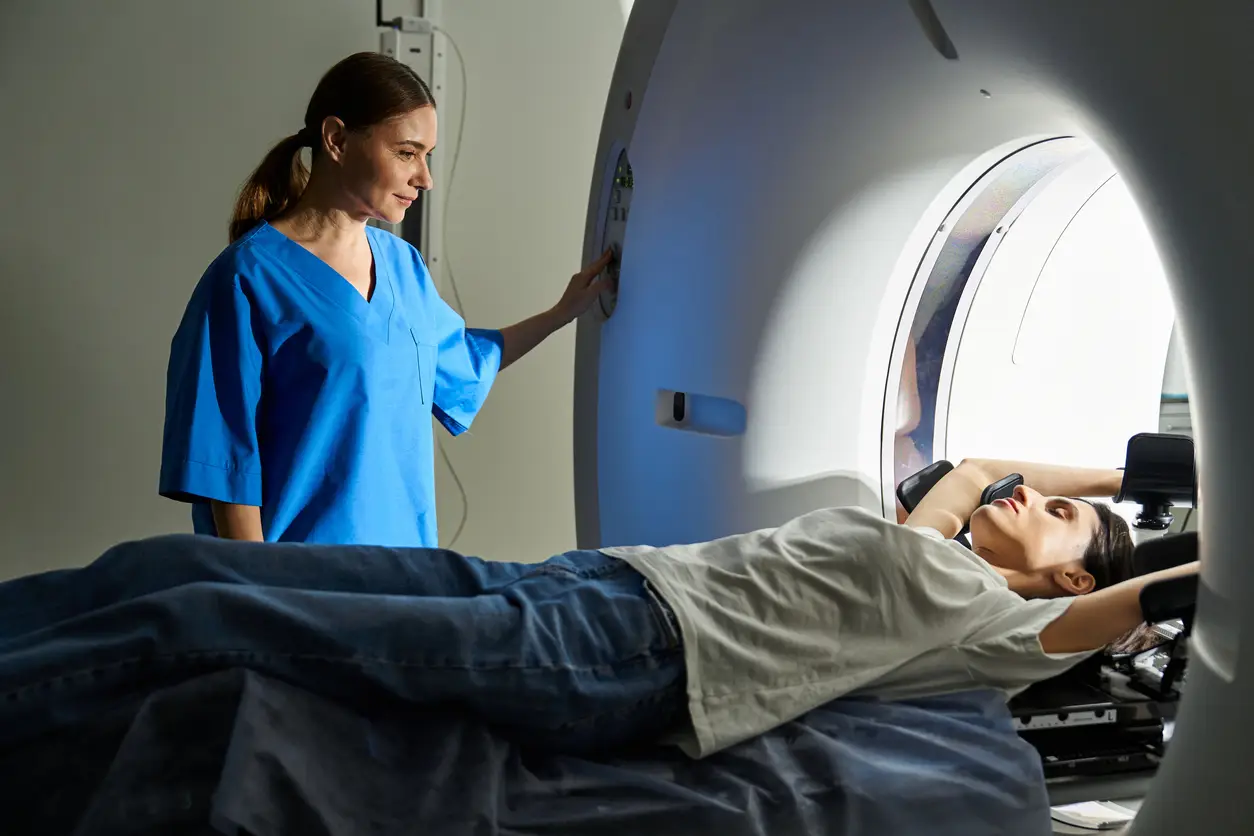
Open MRIs additionally provide:
The main difference is the structure. An open MRI has a wider opening than a closed one, whether in the form of open sides or simply being thoroughly open; no longer are you squashed mere inches away from magnetic walls. This added space means there is less sense of being shut in and the whole experience becomes calmer and refreshing.
Patients often prefer to see outside the room or interact with a family member rather than looking at the inside of a tunnel.
Many open species permit entry so that a patient lies feet first; they also allow positioning adjustments. Such features are particularly beneficial for those with back or neck pain needing to keep their spine neutral during the scan materialized by open construction.

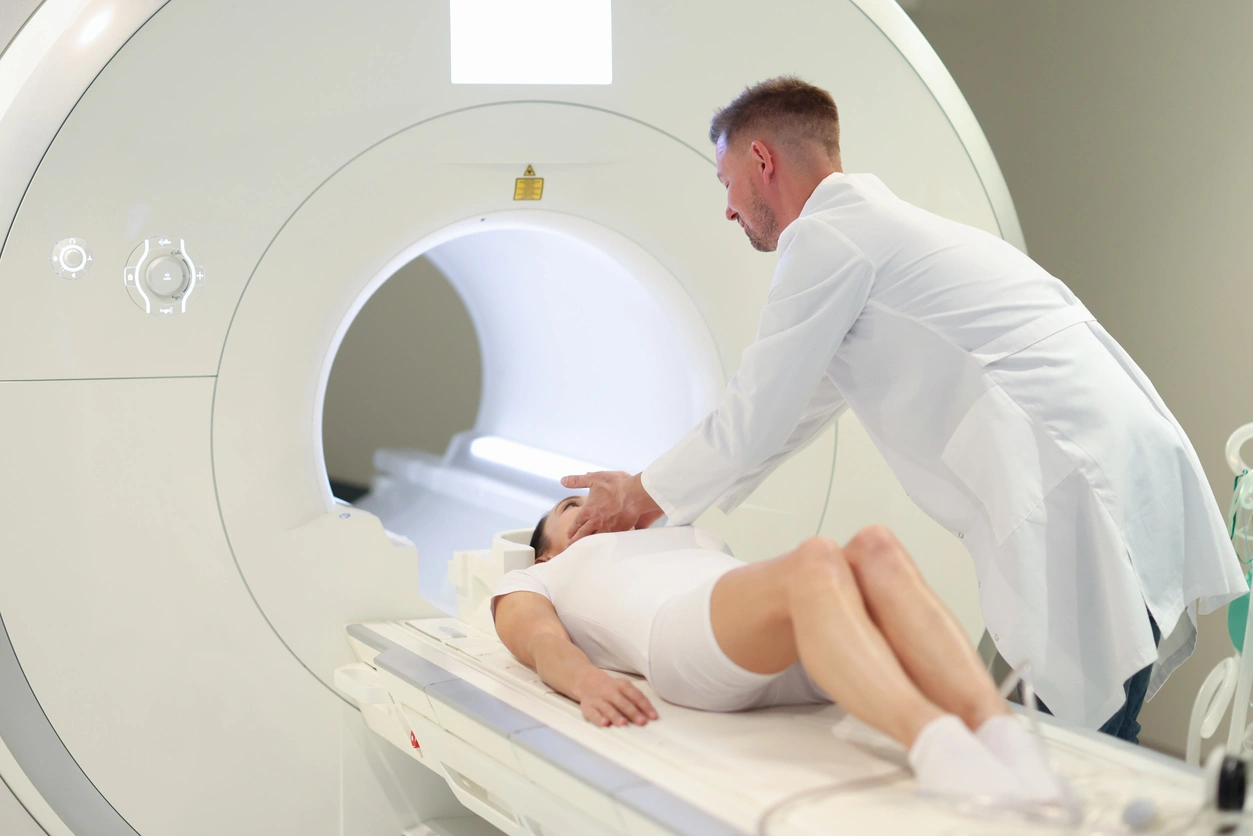
Open MRIs also provide more space for patients who may feel physically squeezed in tiny scanners. The whole experience is more pleasant for everybody concerned.
Open MRIs will also include supportive head rests, air extraction facilities, mirrors and music so that your time will pass more comfortably. Every small step that makes it easier to lay still reduces the number of times a picture must be repeated–which results in fewer total exposures and clearer shots on each occasion.
You will be introduced to the technologist, see the scanner and hear technical terms explained in plain English. This is already a big relief for many people, particular those with claustrophobia MRI.
You are covered with pillows, bolsters and props for your comfort. When possible, the patient enters the scanner feet first, and so their heads and chests remain outside (or at least inside a setting which is vastly more open and bright).
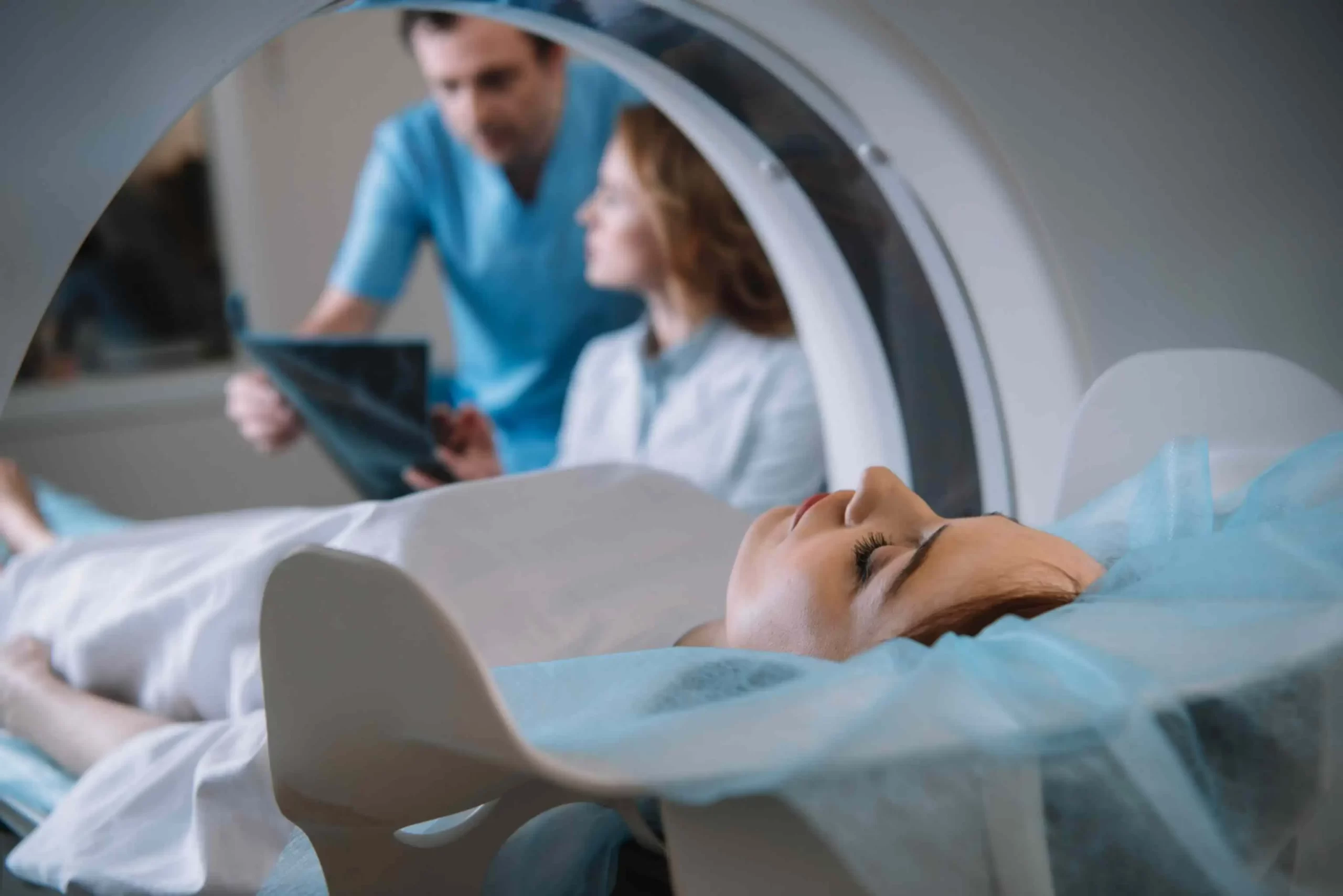
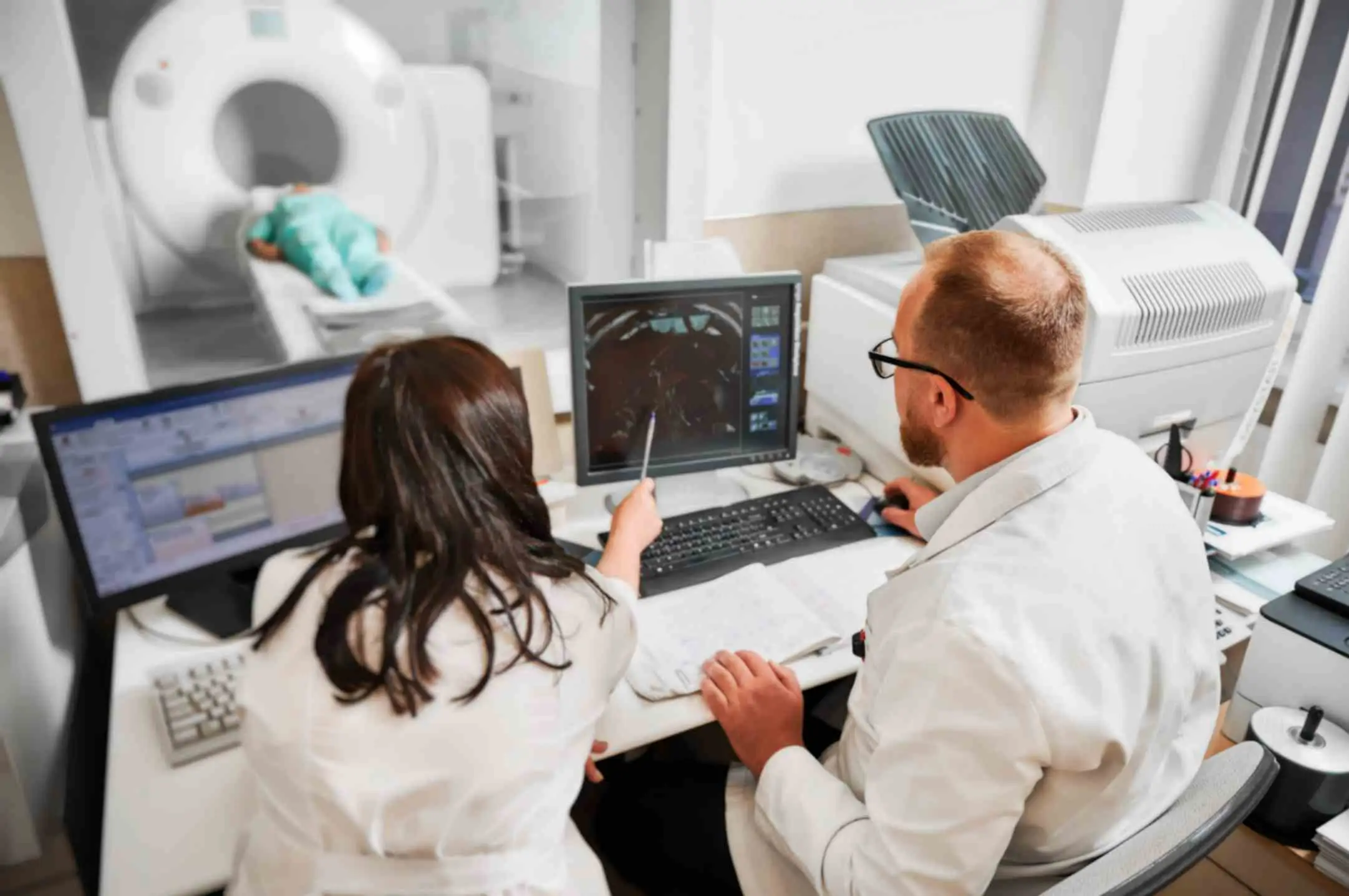
The MRI sequences will make some noise. There’s a humming sound and then knocking sounds, so each time you have an image taken, you’ll hear these. To help keep people relaxed and claustrophobic MRI free, in addition to an open construction with two-way communication, we provide headphones hooked up to music, wireless also pictures on the wall across from you through mirrors so that you can look out into the room. The technologist comes back and forth at intervals, answering what feels like a hundred questions from patients one minute while telling them how many scans need to be done in the next session.
Once the imaging sequences are done, the technologist looks over the images to make sure they’re clear. Consequently, you could remain more comfortable and in position for a longer period of time the pictures clear up with free-standing images. Because you were more relaxed and able to stay still, the images are usually sharper and need no repeat scans.
Open MRI is very effective for musculoskeletal and neurological imaging. Typical conditions include:
Though a few highly specialized studies may still need a closed bore scanner, open MRI gives diagnostic quality imaging for most back, joint and nerve-related conditions.
Open MRI isn’t only for patients who are claustrophobic for MRI. It is also ideal for:
Because the scanner itself offers more space and visibility than others, many patients don’t have to be given anything else too keep them calm.” Common aids in comfort include:
Open MRI systems provide a calmer environment for your examination. They have feet-first positioning so this won’t make the patient feel so odd; you’re not riding sideways like in many traditional machines.
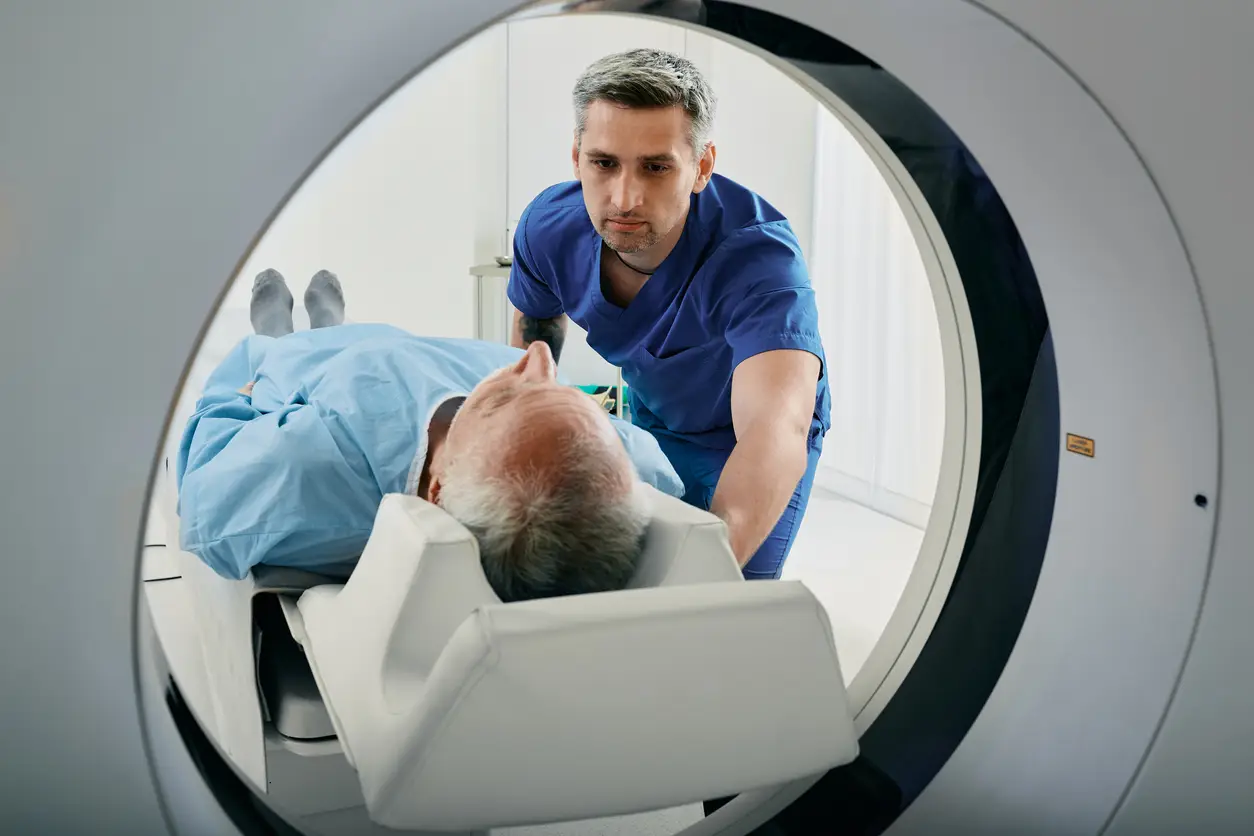
Recent advances in research and technology were changing the MRI experience over the past few years. Both designers and clinicians have concentrated on minimizing anxiety, creating space in the process, and streamlining its patient-friendly aspects.
The current generation of open MRI systems take advantage of these advances in several areas:
Enhanced operator interfaces help ensure technologists remain in close contact with patients during exams.
Such patient-monitoring capabilities grant staff members a more profound understanding of discomfort, enabling them to adjust positioning or communication on the fly.
Improved room layouts incorporating dimmer lights, quieter scanners and soothing acoustics have de-clinicalised the space.
Patient-comfort enhancing accessories, such mirrors, vision aids and padding enable patients to stay oriented and relaxed through long scans.
With all of these advances, more patients—including those who are quite claustrophobic or nervous—can finish their scans without stopping. The open scanner design and accompanying technology have made it possible for MRI centers to reduce the number of claustrophobia episodes, as well as make magnetic resonance imaging a more comfortable experience.
Call or submit your request for a consult today. You will need to look for our open MRI system if you want both space and vision in these tight quarters–don’t let your health be put on hold.
