MRI’s magnetic field is one of the most reliable tools in modern medicine: Magnetic Resonance Imaging, better known as MRI. So it’s no wonder from catching breast cancer early to monitoring the state of your brain, and even viewing musculoskeletal conditions, MRI when used effectively can spur save a life and get effective treatment on something that other scans can easily miss or let slip through the cracks, but, a question or perhaps even a thought that runs through many a patients mind is not just what does an MRI show, but how much is an MRI at an imaging center Glendale? Prices may differ for a variety of reasons, however understanding why prices are different and how MRI technology is such a crucial diagnostic tool, can help make an informed decision.
What’s Special About the MRI?
Since the MRI machine relies on strong magnets and radio waves to produce high-resolution images of the inside of the body, it does not rely on radiation as other approaches like X-ray or CT scans. Many times when there are specific tissue abnormalities they are visible to radiologists only when different types of tissues are designated with a dye. Partly that’s because the devil is in the detail: MRIs provide many images and a far more detailed look at soft tissue than are offered by any other imaging method.
In breast health, for example, mammograms remain the gold standard for screening. But for women with dense breast tissue or other above-average risk factors, an MRI can capture cancers missed by mammograms; likewise, in orthopedics, MRIs are ordered often to look for ligament tears, cartilage damage or subtle stress fractures that X-rays fail to pick up.
Imaging Centers: Why patients choose to come here
There are a variety of reasons why a lot of patients choose imaging centers over radiology at a hospital. There are also imaging center Glendale ca that specialize in scans only, and so they may provide a less cumbersome and more specialized process. Waiting times might be less, the appointment more timely, and the environment more pleasant for patients.
From a financial perspective, provider and insurance depending, imaging centers will have different billing structures than a hospital. Others find centers to be more transparent about what goes in to the pricing of their MRI, which aids in projecting out of pocket costs.
What can MRI Screening Detect?
For breast health, M.R.I.s are most strongly recommended for women with certain risk factors: intense family history, genetic mutations such as BRCA1 or BRCA2 or previous exposure to chest radiation at an early age. In these cases, MRI is just another layer of peace of mind and early detection.
Apart from breast cancer screening, MRIs are routinely ordered for neurological issues, back and spine issues, sports injuries and joint pain. They give doctors a look at the body that is noninvasive, safe, and extremely useful.
What is the time frame for an MRI at an MRI imaging center?
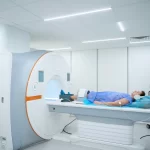
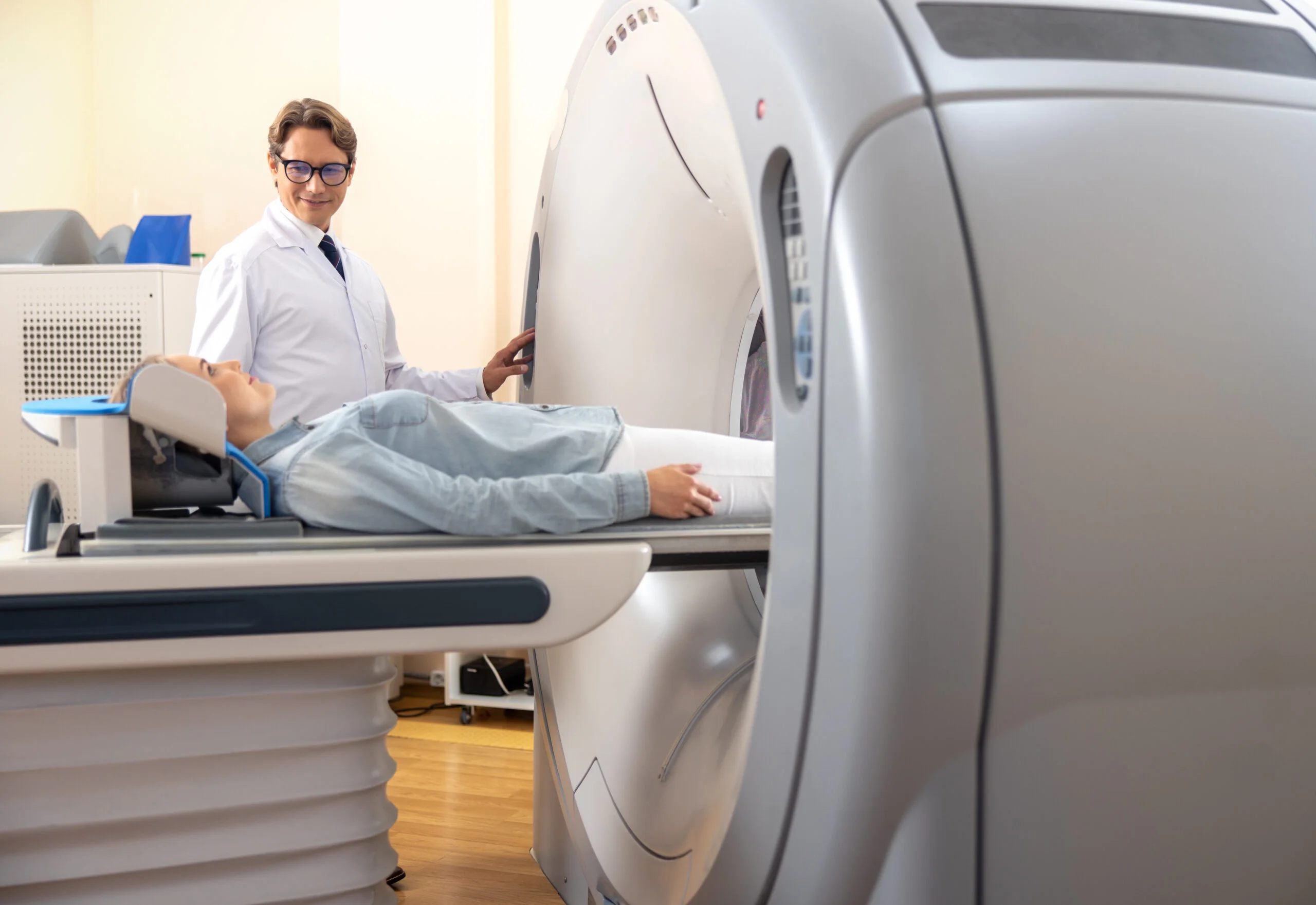
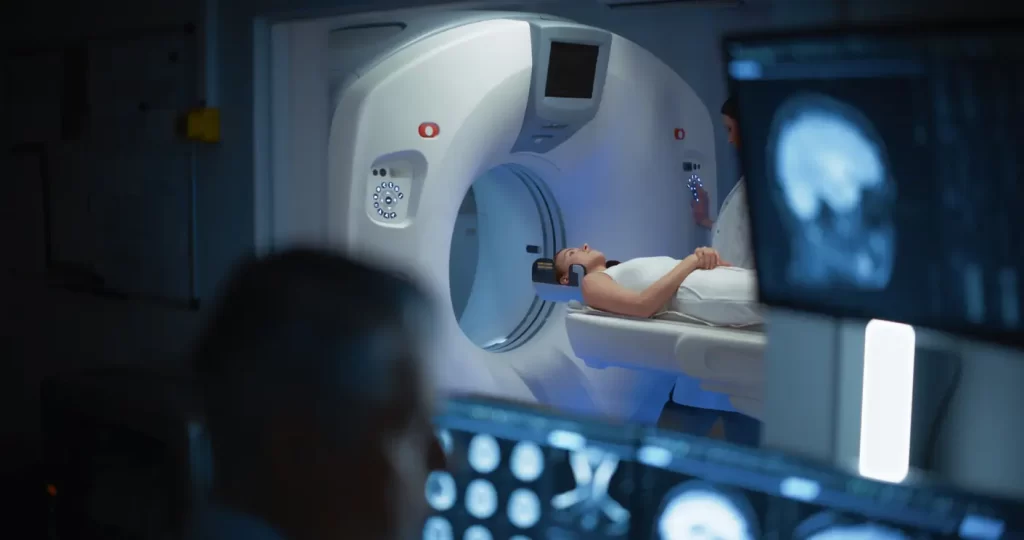
Typically, an MRI lasts between 30 minutes and 1 hour depending on the part of the body being scanned and if contrast dye is being injected. A patient is inside a long cylinder while a series of pictures are made. It can be noisy and it is painless. The majority of patients are back to full activity the day of surgery, with nearly no downtime.
Some imaging facilities also boast fancy new, more open MRI machines. These are meant to alleviate that closed-in feeling some patients feel during traditional MRI scans. Open MRIs will also have images about 11% lower quality than closed, but they do offer an alternatively for patients with claustrophobia.
What Risks and Restrictions Do Patients Need to Know About?
Virtually all patients can receive and undergo MRI without discomfort or injury. The problems occur when x-ray contrast is given, as a small percentage of patients can have a severe allergy to this. Some people with particular kidney problems need to be screened closely when they are given dye. Another limitation is patient comfort: lying still in a small machine for long periods of time isn’t easy for anyone, and can be especially difficult for those who are claustrophobic.
Nevertheless, Glendale imaging center Glendale ca are accustomed to such hardships. Patients are frequently provided with earplugs or headphones to block the din, soothing settings and they can speak to staff while the scan is in progress.
How Often Can You Have an MRI?
The frequency of an MRI depends on the medically necessary indications. Women of average risk for breast cancerPersonalised approach: Mammograms alone, with the addition of yearly MRIs for women at higher risk. For musculoskeletal or neurological concerns, MRIs are usually ordered if you come in with symptoms or if a follow-up image is needed post-treatment.
MRIs are so sensitive that doctors think before they order them, and how often. Extra scans do not equal better care, but they can save lives when used appropriately.
How does MRI assist in treatment planning?
MRIs aren’t just for staging; they are also important in treatment planning. Once cancer is detected, an MRI in Glendale ca can tell how large the tumors are, if they have spread, and how the next steps regarding surgery and radiation should take place. In orthopedic care, a picture speaks a thousand scans: MRIs provide surgeons with their best look before cutting into knees, shoulders, and spines.
By offering such detailed imaging, the MRIs allow doctors to personalize their treatment plans with rare specificity. Unnecessary procedures, complications, and ultimately, the outcome may be reduced due to these influences.
The Importance of Breast Density in Imaging
Dense tissue is one of the most recognized obstacles to finding breast cancer. On a mammogram, the thick tissue, through which X-rays struggle to pass, appears white, which is also the color that tumors tend to appear as, and thus the lumps are hard to detect. One of these limits, for instance, an MRI, crosses; it reveals to the camera the same breast in multiple dimensions as the scanning machine may reveal any cancers that are effectively hiding.
It’s a large part of why many doctors say women with dense breasts should get MRIs as an additional screening. This is not about replacing the mammogram, but to supplement it with something that can make that test better, more accurate, more reassuring.
What Determines the Cost of an MRI?
If you’re interested in understanding the factors that tend to influence the price of an MRI performed at an imaging center, you can explore this topic further. Factors may include:
MRI order: An MRI without contrast can differ from one requiring contrast or a specific number of imaging sequences.
Body area to be imaged: Scanning the brain or for spinal MRI is more challenging than a joint scan.
Equipment: High-end equipment (such as high-resolution or open MRI scanners) can impact the bottom line. Reading and interpretation of the images are part of the service and the experience of the radiologist matters.
So this one is regional, depending on local healthcare costs, insurance networks, and demand in your area.
Once again, patients should “speak to the imaging center and estimator for insurance, to estimate cost.

Conclusion
MRI – one of our greatest inventions of the century. In pictures, it creates sharp images, and doctors can use them to diagnose and plan treatment, the disease can even be prevented to be diagnosed and treatment planned, early finding. Covers everything from early cancer detection, early diagnosis, orthopedics, neurology and more, and provides advanced imaging to help and support the physicians’ diagnosis. How much does it cost for a MRI at an imaging center? Many ask what the price of an MRI is at a stand-alone imaging center, but prices also vary based on what type of scan is needed, what technology is used and an individual’s insurance plan. The fact that MRI is superior to all modalities in terms of diagnosing condition earlier in time when it is more treatable, and in managing treatment wisely, more than compensates for whatever added expense it incurs.