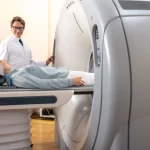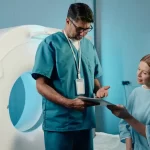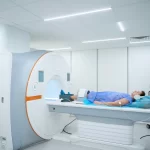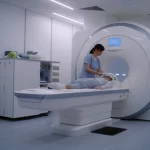
The next time you haul yourself into the doctor’s office to get to the bottom of that pain in your side, or for a cancer screening or to check up on that old complaint, don’t be surprised if the MRI becomes the topic of discussion — not just any old MRI. How they do prevention, diagnosis and even tailor treatment plans, however, is transforming thanks to recent advances in full body MRI, AI-augmented imaging and faster, radiation-free diagnostics. The imaging center Glendale field is moving fast — and providing the most predictive health care in history.
What Is a Whole-Body MRI And Why Are People Getting Them?
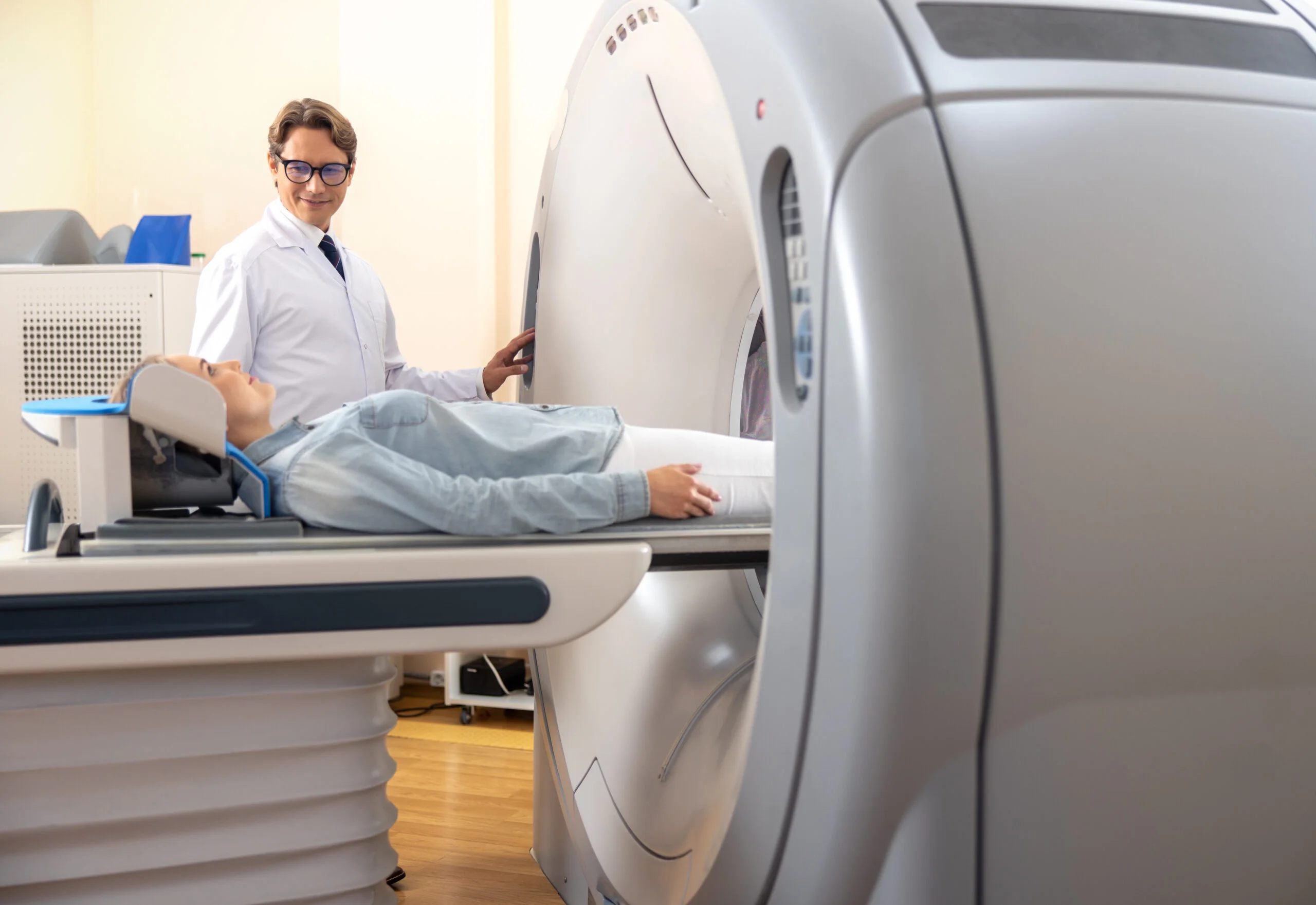
Whole-body MRI is exactly as it sounds: a magnetic resonance imaging scan that images the entire body — brain, chest, abdomen, pelvis — in one session. But rather than mediate an MRI screen just one part of your body at a time, this one is designed to see if anything might be going wrong anywhere in organs or tissues or bones, or even blood vessels, all at once.
The appeal is clear: no radiation, no invasion of the body and no contrast dye in many cases. It is increasingly being used to screen for cancer, particularly in high-risk patients. Instead of cracking the door to disease-modifying treatments only in patients who have developed symptoms, doctors can for the first time screen for tumors, inflammation and structural abnormalities before the symptoms have even started — in some cases, years before.
How AI Dashboards And Smart MRI Software Are Changing The Diagnosis?
Currently, the latest generation of MRI machines is being covertly enhanced with artificial intelligence. The AI software is being incorporated into many new models to help radiologists diagnose abnormalities, point out areas of concern and in many cases compare your results to massive databases of millions of similar cases. In practical terms this means radiologists are able to view problems faster, more accurately, and in some cases sooner than they would be able to see problems with a naked eye.
So, there are less missed diagnoses for the patients, and less time waiting for the results. In fact, AI-augmented imaging is particularly beneficial for the identification of very early stage cancers, finding subtle patterns of inflammation that are present in autoimmune diseases, and rendering the search for neurological disease far more manageable. So when your doctor informs that your MRI scan has been flagged for review, they’re probably letting you know that it was the AI that did most of the work.
Will an MRI One Day Supplant a CT Scan, or an X-ray?
It’s not likely that imaging center Glendale ca will ever completely overtake CT scans or X-rays, but the method is certainly making great strides. Many more doctors these days choose MR images instead of a CT scan for detailed, high-resolution photos of soft tissue if they are concerned about radiation — for example, for children, athletes or cancer patients who have had a lot of radiation therapy. These days, a lot of orthopedics are being diagnosed with MRI, and issues of the pelvic floor, prostate, and brain imaging. Newer machines are also faster, quieter, more open, and patients are more open to being scanned.
Why Is Your Doctor Recommending a Whole-Body MRI This Year?
These days, doctors are much more proactive about preventive medicine, and if there’s one single test that actually covers everything, it would probably be an MRI of the entire body. If you have a family history of cancer, certain genetically triggered risk, even a mysterious set of symptoms that bloodwork or a physical hasn’t unearthed, or if a certain area is hard to image, your physician can recommend a full-body MRI. Annual checkups in some concierge medical practices currently include whole-body MRI. Tech executives and high achieving professionals routinely use whole-body MRIs, not because they are convinced something major is wrong with them, but to see what is about to run sideways.
And let’s not forget — as the costs of imaging plummet, it’s increasingly a realer-life possibility even for people who don’t fit into the ultrarich box. Some facilities now offer cash-pay rates for preventive MRIs that can match a few months of insurance premiums.
Are There Any Risks Or Disadvantages In Undergoing An MRI?
MRI in Glendale CA is extremely safe and the benefits outweigh the risks, but here’s what to know. They may not be suitable for individuals with certain metal implants, pacemakers or extreme claustrophobia. Scans that are as detailed as possible may still require 30 minutes to an hour.
There’s also the emotional side. But there are downsides to whole-body MRI: Second, it is likely to uncover what are called incidental findings — that is, you may have abnormalities that pose no threat, yet could prompt more testing or anxiety. That’s also why it’s important to have a doctor who can impart some insight into which of these varieties of chest pain and breathing discomfort are worth worrying about and which are not.
Even so, for most people the advantages of early detection would vastly outweigh the risks of knowing too much.
What’s The Future Of MRI In Everyday Health Care?
Think of entering your doctor’s Glendale imaging center Glendale CA for a health check and receiving a full scan of your brain, heart, body organs, joints and even your risk of having had a heart attack, without going through any kind of scan that involved radiation or other probe, walking out with an exact picture of what is occurring inside your body.
And you’re likely not too far from that being the norm yourself. Future MRI trends such as faster scans, portable MRI devices and algorithms that make use of machine learning to predict the course of a disease are already under evaluation in pilot programmes across the globe.
That a whole-body MRI may be part of the routine for maintaining our health in the not-so-distant future, rather than a specialized instrument. And we will shift from reactive medicine to something that is more predictive and personal.”

Conclusion
Your next visit to the doctor may be a little smarter (and weirder) — new MRI scans are learning to do things other MRI scans can’t even see. Whether it’s in full-body screenings, AI-aided imaging or simply safer diagnostics, these tools are changing the way we see health and prevention. You might not need one right this minute, but the next time your provider pops the M.R.I. question, just remember: M.R.I.s are more than a scan; they’re a lens into the future of your health care, and that future is not just now but before schedule.