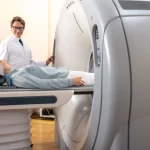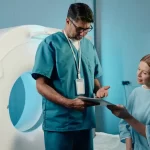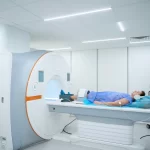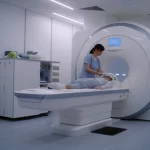
Magnetic Resonance Imaging is now one of the most excellent diagnostic tools at modern medicine’s disposal, enabling physicians to image the internal organs of the body more accurately than ever. But while the technology itself is harmless and noninvasive, the experience is frightful — particularly for patients who have difficulties with claustrophobia or phobias induced by the MRI. For the majority of patients, the thought of lying in a large, tubular tunnel is enough to invoke a panic attack even before the test. Luckily, new technologies, such as open mri glendale ca, have made that a thing of the past and allowed patients to have a pleasant and comfortable MRI experience.
What Is MRI Claustrophobia?
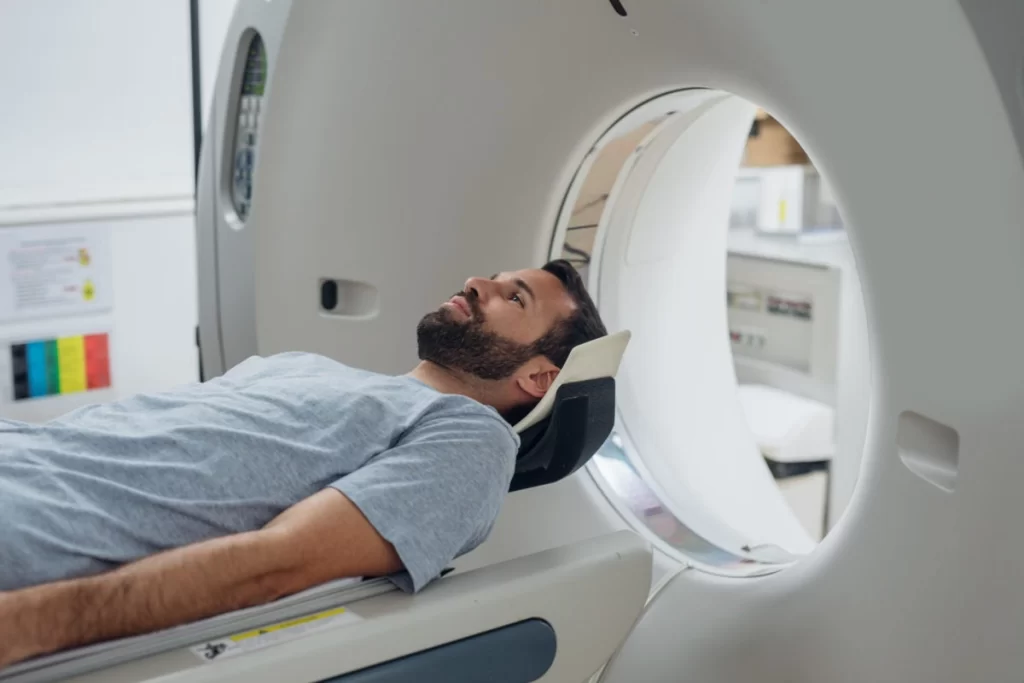
Claustrophobia is, simply, the disproportionate fear of small closed in spaces. In the case of an MRI examination, the experience is most likely to be encountered when a patient is moved into a standard cylindrical unit, where space to maneuver or even see is minimal. The combination of the tight quarters, clanging of machinery, and loneliness can induce a sense of entrapment. Even patients who never had claustrophobia in any other place in life might become anxious right after being placed within the scanner.
Normal reactions are a racing heart, shallow breathing, dizziness, or the very strong urge to escape. These sensations are not unnatural or irrational — they are natural stress responses to a situation of limited control and visibility. Having this knowledge takes away the shame or hesitation that normally prevents people from complaining of their discomfort.
Why MRI Scans Can Be Anxiety-Provoking?
There is an older MRI machine that places a big magnet within a tiny cylinder. As the table shifts down into the bore, there may be a few inches of space between the machine’s interior and the patient. There being no awareness of personal space combined with the relentless thudding and pounding of the magnet may leave the senses numb within a short matter of time.
Psychologically it can create several anxiety cues at the same time: sensory overload from noise, lack of mobility, and limitation due to people surrounding them. As the technologist is compelled to leave the room in order to perform scanning, certain patients even become isolated even though they are under constant observation through a window as well as intercom.
In post-traumatic stress patients, trauma patients, or patients with panic disorder, these feelings are elevated. The environment unknowingly recreates some of the physical arousal — limitations of movement and lack of control — that would be perceived as threat by the brain.
How Prevalent Is It?
MRI in claustrophobia is not uncommon. Studies indicate that about one in ten patients are rather disturbed or frightened with an MRI, and up to one in four exhibit some level of distress. In certain centers, up to 10% of exams are cancelled or repeated because patients cannot remain within the machine. The effect is more than psychological — delay in imaging can delay therapy and diagnosis.
That is why open MRI in Glendale CA technology is more and more wished for by radiology centers as a patient-more welcoming option. They are designed especially to make the process less frightening and even enjoyable for those with problems with confined spaces.
The Open MRI Difference
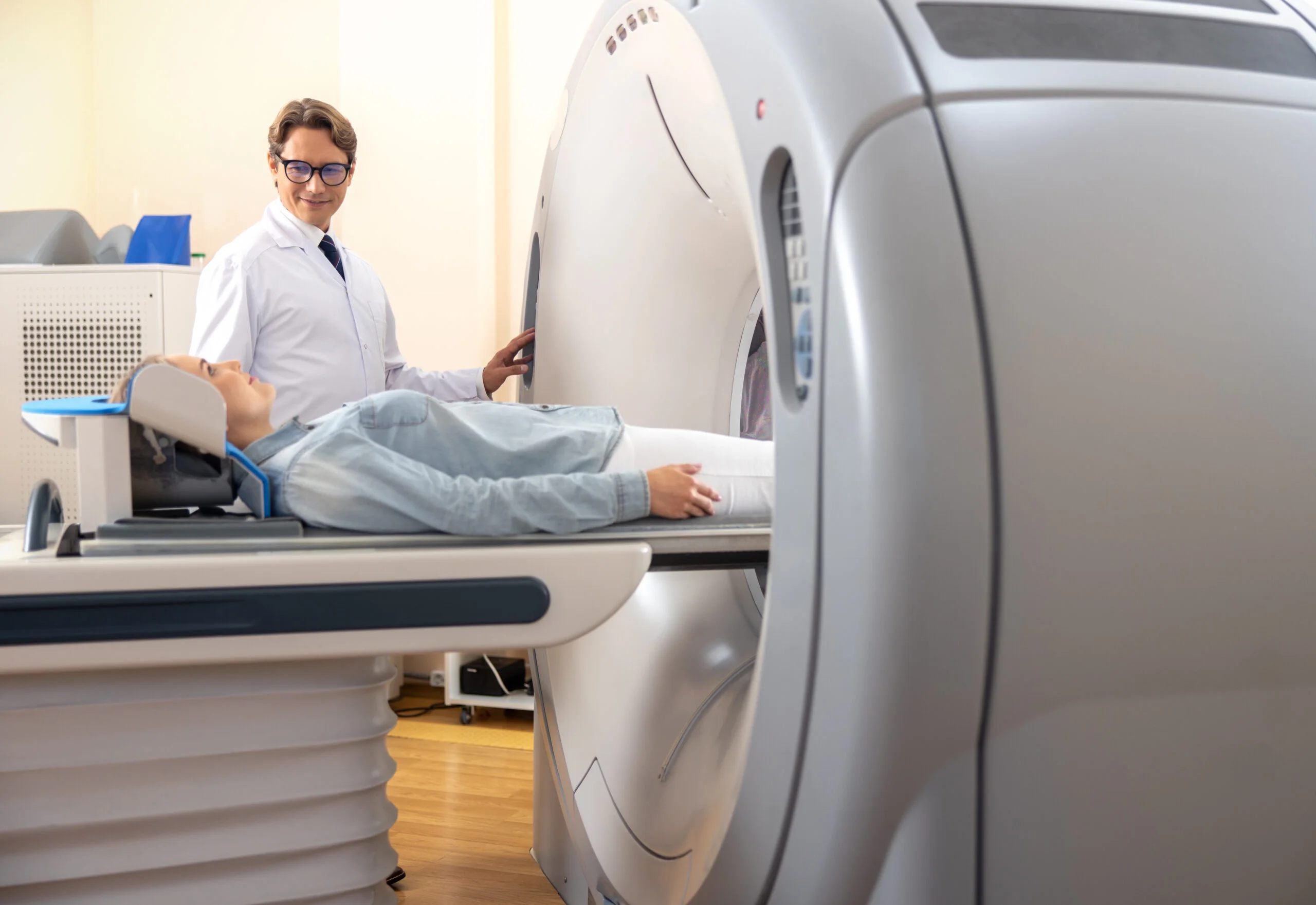
An open MRI sacrifices the closed tunnel of older machines in exchange for a more open-ended, open-sided design. The design is open to light and fresh air and provides patients with an unobstructed view from the edge of the room. Rather than lying in a long tube, the patient sits in between two large plates or beneath a broad arch with plenty of breathing room.
The comfort factor is ideal. There is less sedation or emotional support required with patients these days since patients can now receive their scans without medication. They are within sight of the technologist, can talk to them while receiving the test, and are empowered going through the test. With open design in claustrophobic patients, patients who are anxious, and patients with PTSD, fear cues are eliminated as well as reduced anxiety levels.
For greater insight regarding advantages offered by such technology, refer to [Claustrophobia and MRI: Why Open MRI Systems Are the Preferred Choice], which talks extensively on revolutionary changes brought about in anxious patients’ imaging experience through open MRI near me.
Preparation for a Comfortable Scan
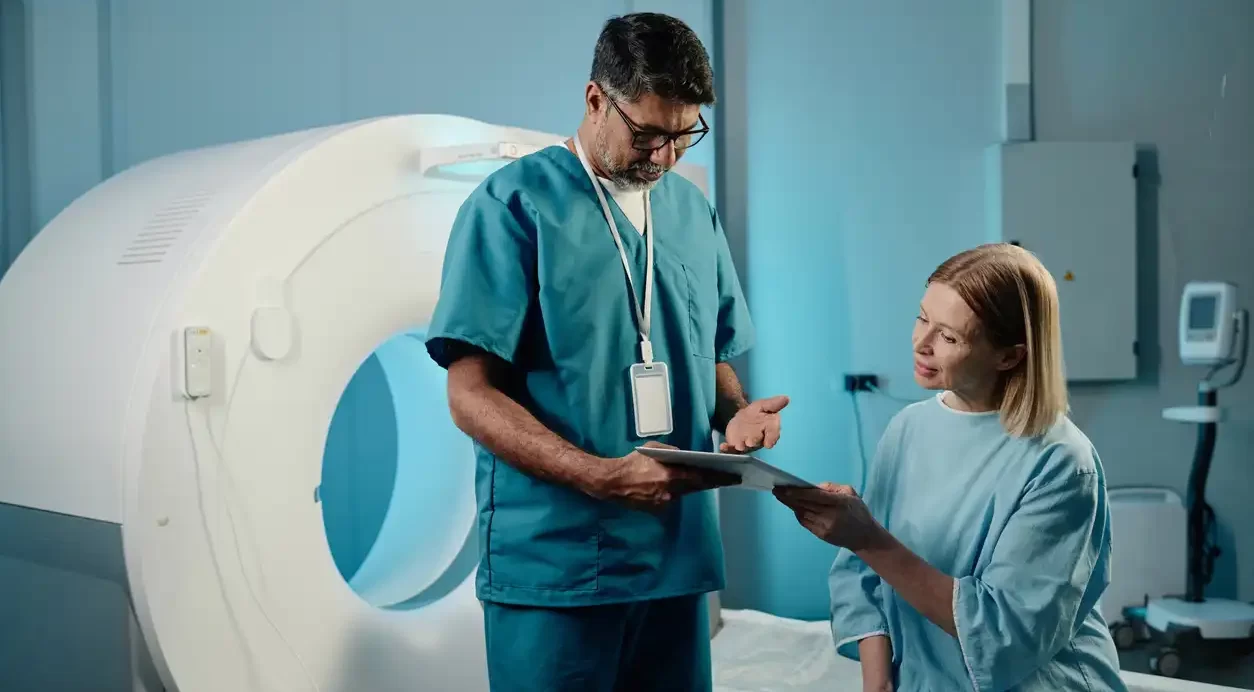
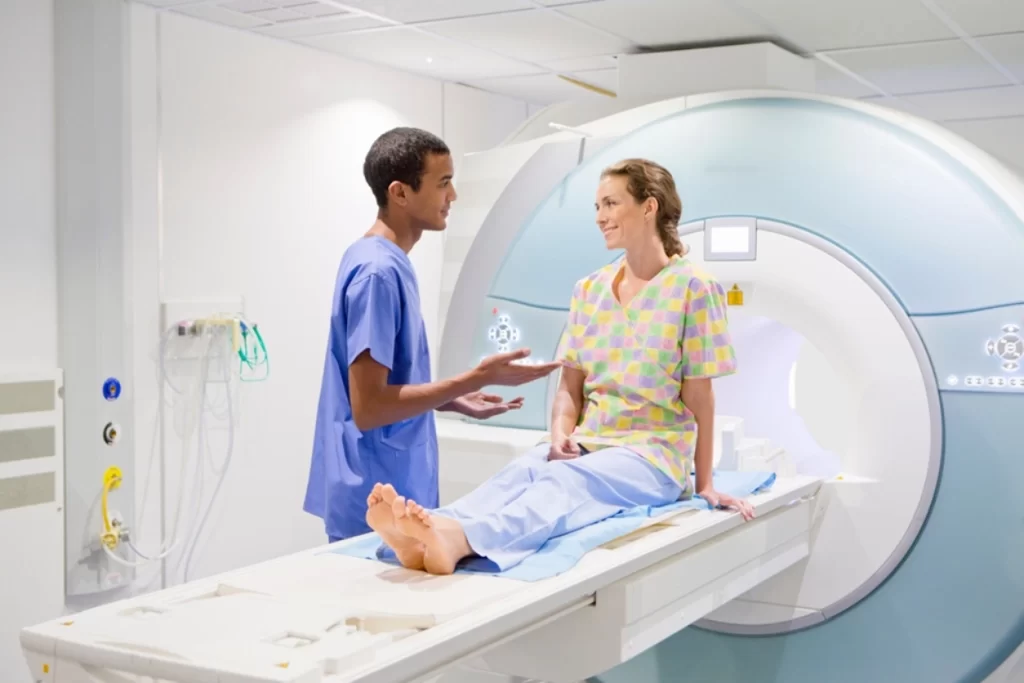
Even though open MRI is already having a significant impact with its minimalistic atmosphere, prepping can also serve to soothe anxiety. Arriving earlier to the imaging center can help relax many patients. Familiarizing oneself with the room and becoming at ease with the technologist can replace fear of the unknown with reassurance. It is also possible to relax one’s breathing before as well as during the actual scanning to help relax the body’s stress response.
Others like subtle sensory changes — one’s own blanket, comfort music, or closed lids with visualizing a serene scene. Discussion of fears or prior familiarity with staff is also reassuring. MRI technologists are educated to be attentive to distress signals and to talk patients through procedures. Two-way communication is standard in most open MRs so you can always hear comforting reassuring words during the examination.
When Preparation Is Overcome by Anxiety?
For those whose claustrophobia is running the show, this: there are alternatives. Some doctors suggest taking a small dose of a sedative beforehand, such that the body unwinds but not excessively so. Others suggest pre-scan cognitive-behavior therapy or guided imagery. Both of these rewire the brain to conceptualize being in a confined space in a different light.
When combined with an open MRI room, even those who assumed that they would never be able to complete a test can then see that their anxiety is significantly reduced. With repeated experience, most patients can then report that completion of one test makes them even less anxious for completion of another.
Identifying the Right MRI Option for Yourself
Choosing the right place to do your imaging can be a life-saver. Look for places that even promote open MRI near me or highlight anxiety-free facilities. Request that you see the scanner before a test, and don’t hesitate to bring up a history of claustrophobia or panic attacks. The right patient-centered place will roll out the welcome mat for your needs. Even some of the centers go so far as to coordinate their rooms with soft lighting, relaxing colors, and subtle background noise to mirror a spa atmosphere — quite a long way from cold, intimidating environments of conventional MRI suites.
Conclusion
MRI claustrophobia is common, rational, and curable. You are not unique in fearing being closed in or losing control. With open MRI machines readily available these days, you no longer must sacrifice comfort in order to maintain your well-being. Imaging centers these days no longer simply combine state-of-the-art technology with design that is friendly to patients so that you can access needed diagnostic tests without fear. If you’ve put off an MRI due to fear, be comforted — the technology exists for individuals such as you. Open MRI machines provide open space, good visibility, and reassurance that enable proper images to be taken under a relaxed atmosphere.