The mere thought of being taken into the tunnel of an MRI sends many individuals’ hearts racing, since the confinement, loud noises, and feelings of isolation evoke anxiety or utter panic, especially in patients who tend toward claustrophobia. Technically, during an open MRI Glendale, small and powerful magnets are positioned so that the body is not enclosed while creating a stable magnetic field. The relatively low strengths of such magnets are balanced with sophisticated coils and computer systems, which can give crisp and detailed images. You get clear diagnostic results without having to go through the tunnel experience.
How Open MRI Eases Claustrophobia
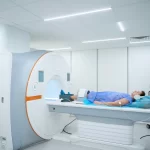
You can just feel the difference in comfort the minute you walk in. Open MRI rooms are bright, spacious, and inviting-not cold or clinical.
This is no longer considered confinement because your brain will not view it as such since you are able to view your surroundings. Light aids in controlling breathing and heart rate; the openness reduces the “fight-or-flight” response that seems to occur in every test completed within a closed unit.
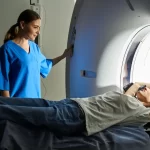
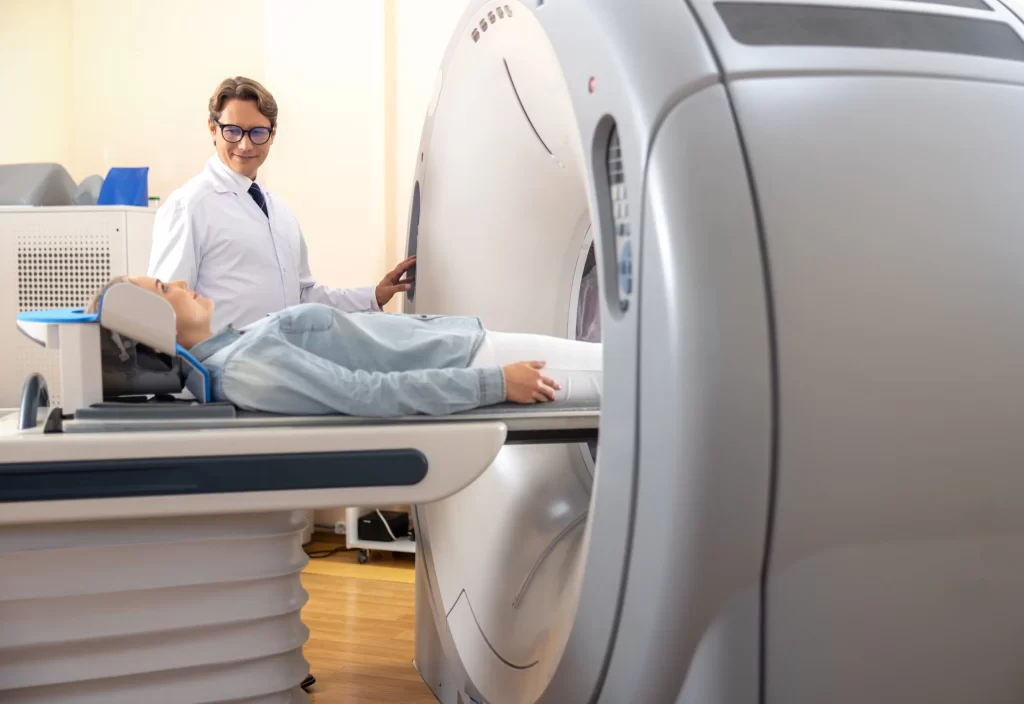
You may also ask to speak directly to your technologist, who will often be able to stand nearby and navigate the test with you in order to put you at ease. The dialogue generally persists throughout the examination and allows, in most circumstances, for it to continue to feel unthreatening and manageable. Depending on the configuration of the imaging center, patients sometimes have the opportunity to listen to music or to hold a hand of a friend or family member.
What to Expect During the Exam
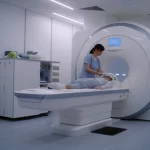
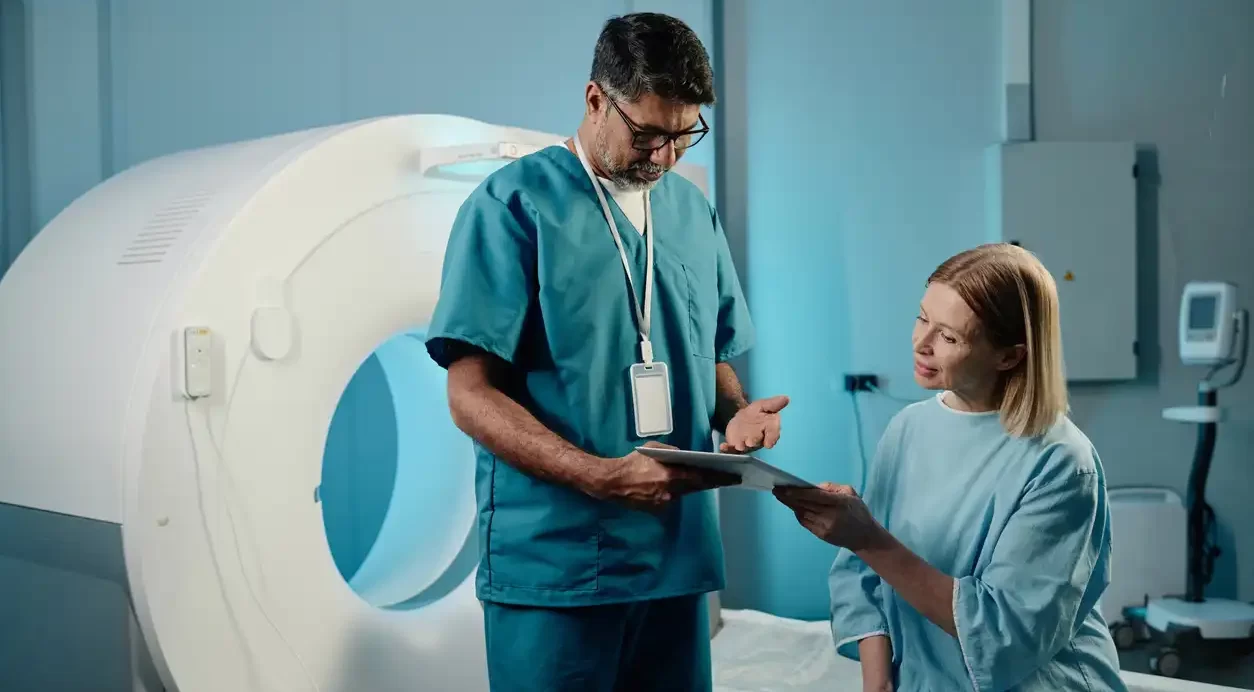
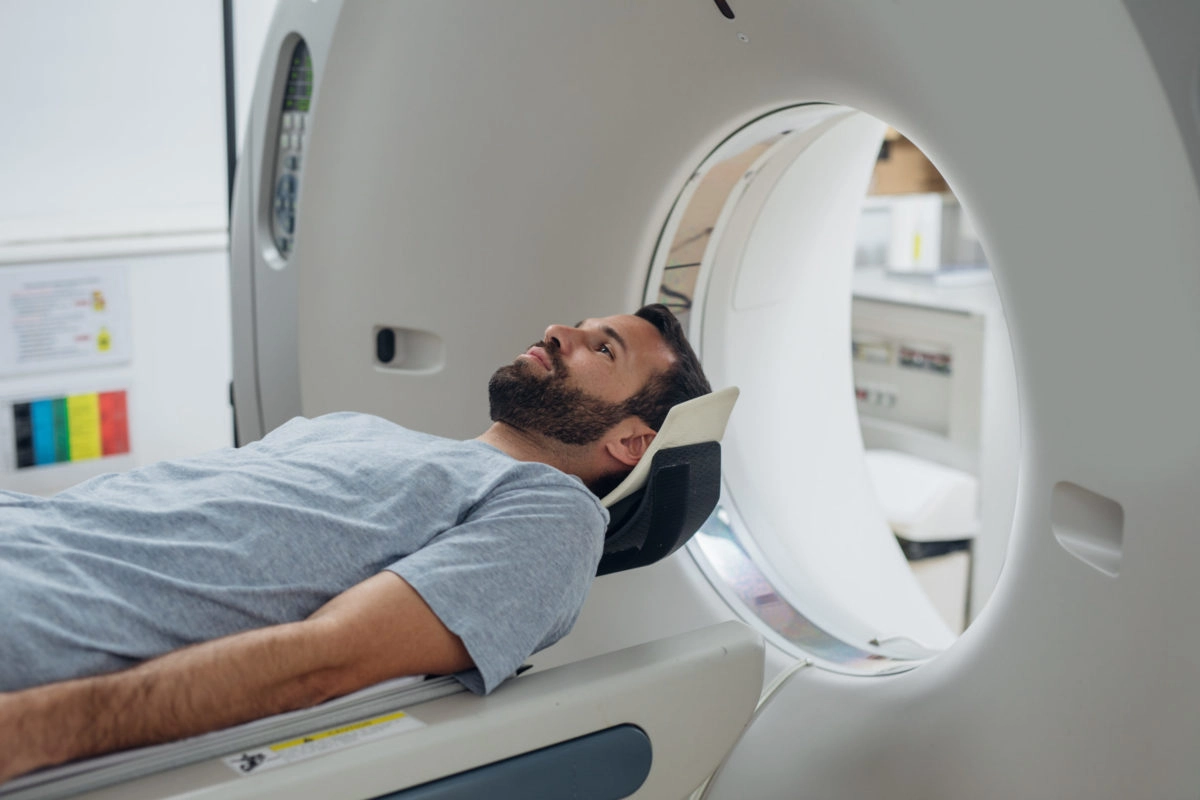
An open MRI experience begins with an orientation where the technologist describes what is to take place, then he or she will settle you into position, making sure that you are comfortable before the scan commences. You will have to stay still while the device takes pictures, but you will never be entirely enclosed during your open MRI examination.
Music or comforting soundscapes can be requested through headphones. Many facilities use soothing lighting, even scenic wall projections, to help relax patients. Since the head and body remain in open space, you can communicate freely and even take short breaks whenever needed. Most exams can take from 30 to 60 minutes, depending on the body area under examination.
The Emotional Payoff
Confidence and relief are Key benefits of completing an Open MRI in Glendale CA, which can be an enabling exercise for patients who have avoided MRI scans for years. It replaces the unknown with the known, and shows that imaging doesn’t need to be uncomfortable or scary – and that comfort can then translate to better care: physicians can make earlier diagnoses, monitor progress more effectively, and help patients stay on track without the barrier of fear that existed prior to modernization.
Feeling Safe
The psychology of claustrophobia is indeed more than the concept of fear of small spaces; it’s a biological stress response.
When the body senses entrapment, an adrenaline surge is triggered in the brain by the amygdala, raising heart rate and muscle tension. This is amplified by an enclosed tunnel like that of an MRI machine, along with the loud acoustic noise it emits. Open MRI in Glendale CA design works in conjunction with your nervous system, not in conflict with it. Since you can see out, breathe normally, and orient yourself in space, the brain gets signals of safety, not of confinement. You are much less likely to fidget or shift, meaning clearer images and shorter scan times. It’s a virtuous cycle: calmer patients equal better results.
The design of an open MRI is such that it works with, rather than against, your nervous system. Because you can see out and breathe normally, and orient yourself in space, your brain gets signals of safety, not confinement. You’re less likely to fidget or shift, so that means clearer images and shorter scan times. It’s a virtuous cycle: calmer patients lead to better results.
Technology to Match Traditional MRI Quality
Early systems of Open MRI were limited in strength and resolution. This is no longer the case with newer machines that include high-field magnets up to 1.2 Tesla, high-quality gradients, and AI image reconstruction. These close the gap in performance with traditional systems, yet retain the same open design that claustrophobic patients love.
The results in most studies, especially of the orthopedic, neurological, and abdominal imaging, are practically the same. Radiologists can still examine small structures and soft tissues in detail, as well as organs. There are very few advanced scans that require ultra-high field closed MRI, but this would be the exception and not the rule.
Who benefits most from an Open MRI?
Open MRI is especially suitable for any individual who has felt uneasy inside a conventional scanner. Of course, the most obvious candidates are people who have been diagnosed with claustrophobia or panic disorder, but that is only the tip of the iceberg. Children and seniors, as well as people with sensory sensitivities, will have no problem in such quiet and unobtrusive surroundings. Larger-bodied patients find it easier to fit in without the pressure and restriction which could be very uncomfortable for them.
An open system allows persons with chronic pain or who have limited mobility often to be positioned in a more natural way. For example, instead of lying flat, shoulder, knee, or spine studies can be done while sitting or in a reclining position. This flexibility reduces discomfort and helps in the capture of more natural joint positioning for an accurate assessment.
What to Expect During the Exam
An open MRI near me experience begins with orientation wherein the technologist describes what’s going to take place, then he or she will settle you into position, making sure that you are comfortable before the scan commences. While the machine takes pictures you will need to remain still, but you will not be entirely enclosed with your open MRI scan.
You may also request your music or a soothing soundscape to listen to through headphones. Many facilities use soothing lighting, including even scenic wall projections, that help relax patients. Since the head and the body are visible in open space, you can carry on with more free follow-up dialogue, or pause briefly, if there is a need to take a break. Most exams take 30 to 60 minutes to complete, depending on the body part being scanned.
The Emotional Payoff: Confidence and Relief
Open MRI completion is an enabling exercise for those patients who have avoided MRI scans for years. It replaces fear with familiarity, showing that medical imaging doesn’t have to be distressing. That comfort can in turn lead to better adherence to care: doctors can diagnose earlier, track treatment response better, and patients can stay engaged and on track without the previous stress barrier.
In the long term, open MRI is more than another design, but part of a larger movement in health care toward compassionate technology-tools that respect not just the body but the mind.
A Look Ahead: The Future of Patient-Friendly Imaging
The development of open MRI is far from over. Today, engineers envision even stronger magnets and hybrid systems that combine the best of open and closed machines. Designs may one day allow patients to sit or stand, reducing scan times and offering completely new angles on how to image specific parts of the body.
Artificial Intelligence will further improve noise reduction and motion correction, therefore smoothing and speeding up the process. But the aim remains the same: imaging, which considers patient comfort a priority, just as image clarity is.
Conclusion
If you have ever had to forego a scan because of your claustrophobia, open MRI changes everything. Advanced technology and thoughtful design let you tend to your health without that fear or panic traditional scanners evoke. Quieter, more calming, and much more personal, the experience shows well how innovation in medicine can be about empathy no less than engineering. The next time your doctor orders an MRI for you, ask if there is any open MRI Glendale option available. You may be surprised at just how comfortable modern imaging can be-and how much easier it is to face the unknown when you can finally see the light.