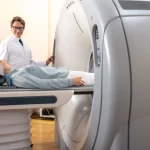
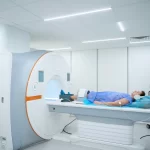
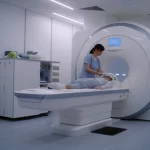
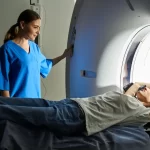
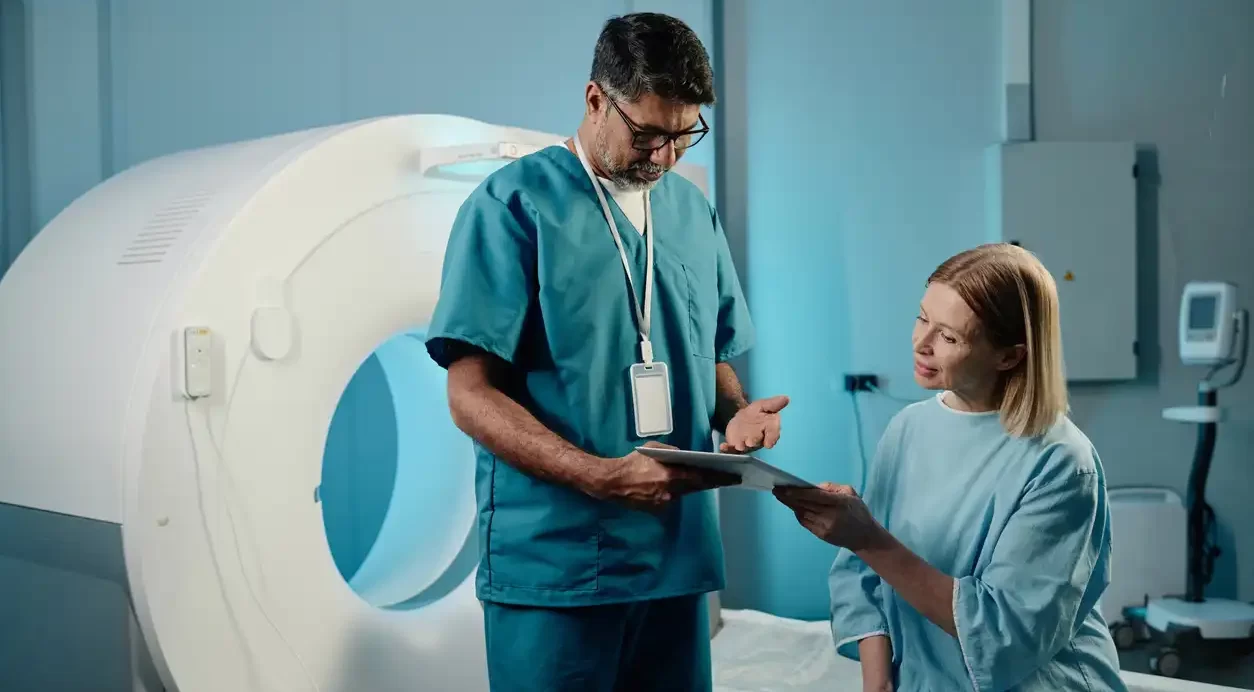
For years, magnetic resonance imaging (MRI) has been the diagnosis of choice. By that we mean everything from brain disorders to spine trauma. But when it comes to your actual experience with the test itself, however, not all MRI machines are made as good as others. Many patients who have had both versions firsthand can assure you that open mri glendale ca is a much preferable experience over its closed counterpart. And both are good in its own right — selecting which is right for you is a matter of your own body, comfort level, as well as what is needed in terms of imaging your doctor requires.
Understand Basic MRI Principles Technology
Magnetic resonance imaging (MRI) employs radiofrequency waves in conjunction with powerful magnets to generate extremely detailed images of bodily structures. MRI scans do not employ radiation as compared to CT or x-ray. MRI is a painless and safe means of visualizing the brain, muscles, ligaments, or internal organs.
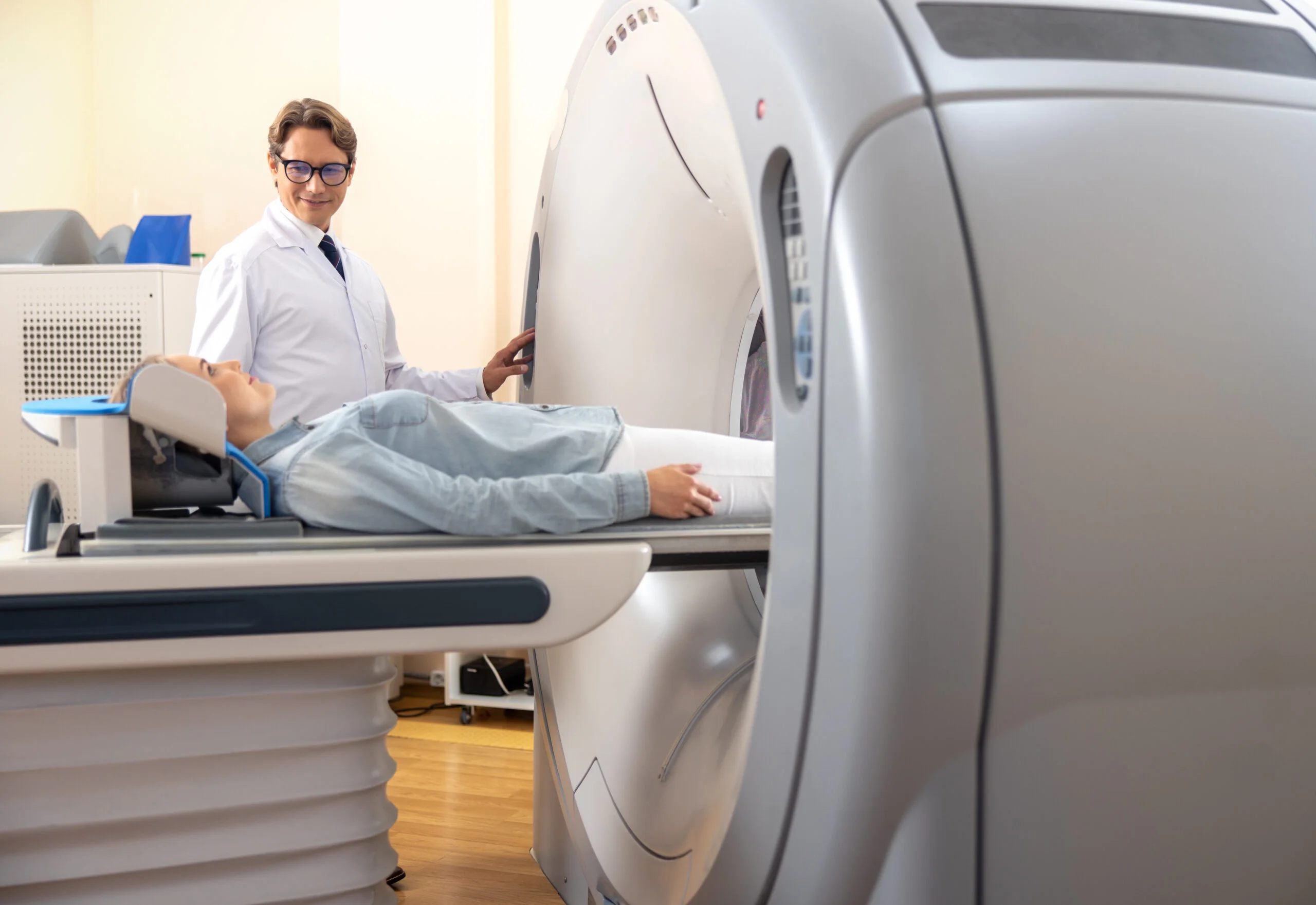
The structural design of the machines themselves, rather than the workings of the technology, is what distinguishes open MRI from closed MRI. An open MRI has a wider, brighter structure, often with open sides, while a traditional closed MRI is distinguished by its long tunnel shape. The patient’s experience during the examination may be greatly impacted by this design variation.
What is a closed MRI?
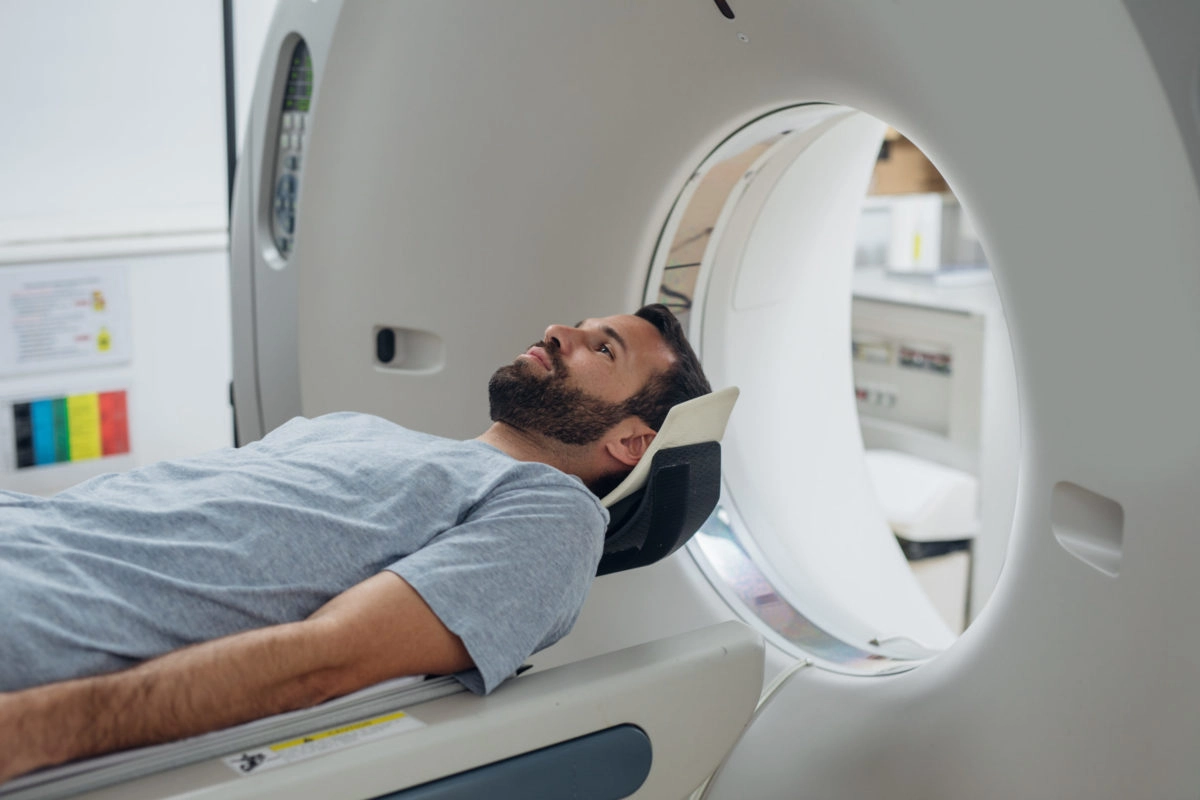
The classical depiction of MRI is its closed system: a massive cylindrical magnet with a narrow aperture through which the patient is brought on a moving table. This design provides excellent image resolution, so it is good for highly detailed brain, spine, or joint examinations.
Nonetheless, the compromise involved pertains to comfort. The enclosed tunnel may seem constraining, particularly for individuals who have an aversion to confined spaces. The machines can also produce loud banging and buzzing when in use, which can sensitize one to sensory overload. It can become exceedingly difficult for those who are experiences anxiety, have issues with claustrophobia MRI, or have physical/authentic limitations. Some patients may even need sedation or medication for a closed MRI.
What is an open MRI?
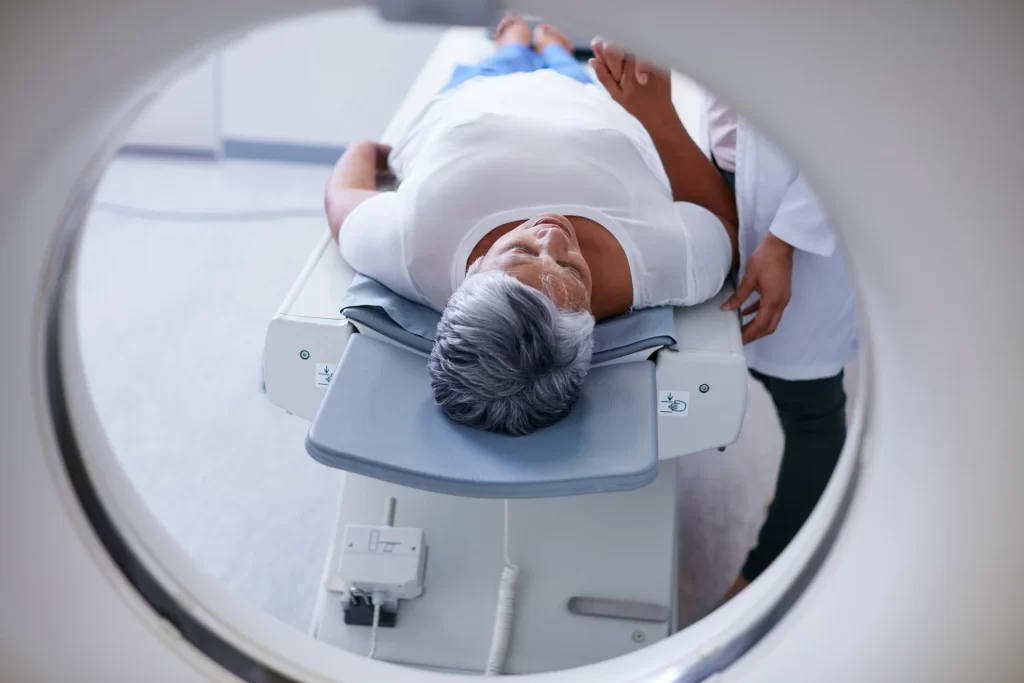
An open MRI design has a wider configuration with open sides or partially open top to allow for intake of air, light, and sight. This design reduces feelings of enclosure so that the patient is frequently able to view what is going on around them or see the technologist performing the examination. Many allow feet-first position so that the patient’s head is outside of the magnet.
The comfort factor is the largest reason why patients prefer open mri in glendale ca. There is more space to breathe, fewer confined loud sounds, and reduced psychological distress. In children, elderly people, and individuals with MRI claustrophobia, it is a softer option that still yields high-quality images that physicians depend on.
More details on this topic are available in [Claustrophobia and MRI: Why Open MRI Systems Are the Preferred Choice], which explains how open MRI systems allow anxious patients who are undergoing scans to relax and feel in control.
Image Quality: Are They the Same?
Frequently raised questions from patients include the relative resolution of images from open as opposed to closed MRI machines. This is based on the specific machine in question. The conventional closed MRI machines have provided greater magnetic field strength—standardly from 1.5 to 3.0 Tesla—up to a point that results in slightly better images, particularly for complex or small anatomy structures.
But advancements in open mri machine engineering nearly reduced that gap altogether. The newest open scanners even use high-field magnets and advanced software to produce images of comparable quality for most standard exams. In orthopedic imaging, abdominal cases, as well as neurological exams, open MRI results are often more than sufficient.
The radiologist can assist to decide whether ultra-high resolution is necessary for the required examination or whether an open MRI can deliver equivalent diagnostic benefit within a more comfortable environment.
What Group Benefits Most from open MRI?
Open MRI machines came about mostly due to increased comfort for patients, but they offer certain advantages for certain groups of people. People who are claustrophobic or anxious often find that open MRI eliminates sedation as a necessary aspect of exams. The design of these machines also supports bigger build types so that all patients are comfortably well-spaced.
Since they can see their parents or a helpful technician nearby, kids usually handle open MRIs better. Shorter scan times and simpler positioning are also advantageous for patients with chronic pain, older adults, and patients with limited mobility. The open format offers a sense of control that can be extremely beneficial for those who are dealing with PTSD or sensory issues.
When a Closed MRI Could Be the Better Option
Despite the several advantages that open MRI systems possess, closed MRI is still preferred in certain situations. Specialized tests that involve inner ear or tiny vessels require extremely powerful magnetic field to yield detailed images. In such cases, the improved resolution that can be provided through a closed MRI can be important from a medical point of view.
If your doctor suggests a closed MRI, it is still possible to discuss comfort measures in advance. Larger-bore machines, sometimes known as “wide-bore MRI,” are available at many mri imaging los angeles centers and allow for more space while preserving image quality. The experience may also be improved by using relaxation techniques, music, or mild medication.
For most patients, comfort is not a luxury but rather the key to obtaining an accurate scan. Nerves can cause tightening up or movement of the muscles that can blur images. When patients are at ease as well as comfortable, then they are more likely to stay still as well as breathe normally.
Open MRI machines facilitate that sense of relaxation through openness and communication. You see out into the room, you can see eye to eye with your technologist, and you can hear reassurance along the way. The human touch can make what was once a scary procedure a doable, even enjoyable, experience.
Picking a Reputable Option
If you’ve been told you need an MRI, you might want to inquire of your center whether they carry an open system. Most newer centers carry both these days, so your doctor can decide which is suitable for your medical needs combined with your emotional comfort level. Inasmuch as you may be skeptical, it might be a good idea to see the facility in advance. Visiting the scanner as well as your procedure almost always reduces fear come examination day.
Conclusion
The choice between open and closed MRI systems is based on factors that go beyond simple technology; these include comfort, confidence, and trust. While closed MRIs are required for getting incredibly accurate images, open MRI systems have opened up the possibilities for the average patient to access an MRI. Think about your choices if you’ve ever put off an MRI because of anxiety or discomfort. An informative MRI system allows patients to breathe, keep calm, and be involved in their medical experience—instead of simply having patients lay still in a tube. Relax and accuracy don’t have to be in opposition.