Most people are aware that magnets create images in an MRI, yet few understand how this technique actually functions—or why open MRI Glendale systems are beneficial. Feel so much more at ease than their older, tunnel-style peers. It’s in the science, design, and patient experience that work together to make modern imaging more kind and affordable, not only in the machine form. Knowing these developments can enable you to appreciate just how far medical technology has come—and why patients all around prefer open MRI.
MRI Function: The Fundamentals
Using a mix of magnetic fields, radio waves, and advanced computer analysis, magnetic resonance imaging, or MRI, produces crisp photos of your body. The magnet of the machine temporarily aligns the hydrogen atoms in your body—the same atoms that make up most of your cells—as you lie within it. Short radio bursts then disrupt that alignment. The machine picks up signals as the atoms return to their natural condition.
Revealing soft tissues like muscles, ligaments, and organs with amazing clarity, a computer transforms those signals into cross-sectional body images. One of the safest imaging techniques accessible, MRI uses no radiation. The procedure is absolutely painless and offers clarity that X-rays and CT scans frequently cannot match.
Why the Old Design Felt So Restricted
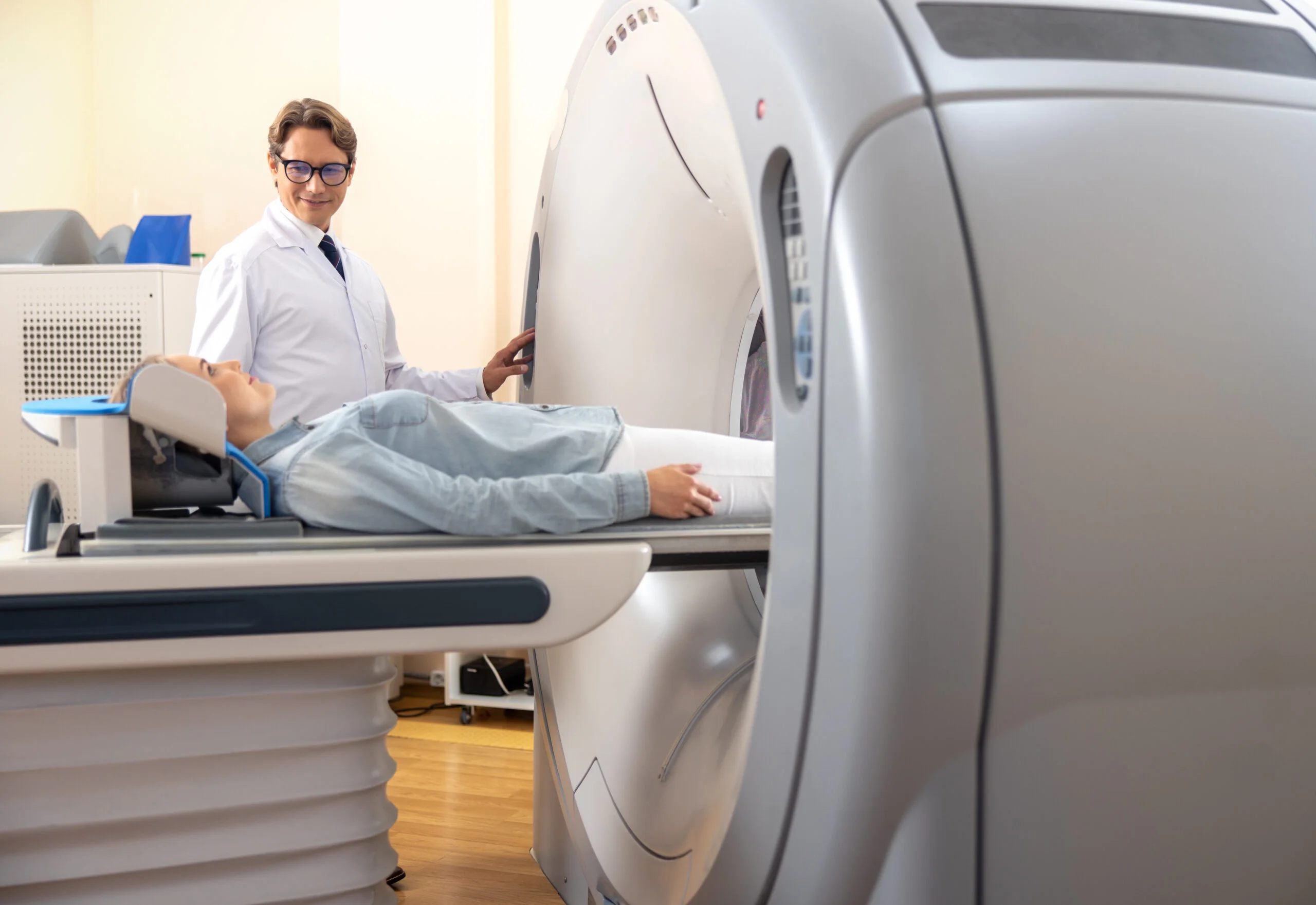
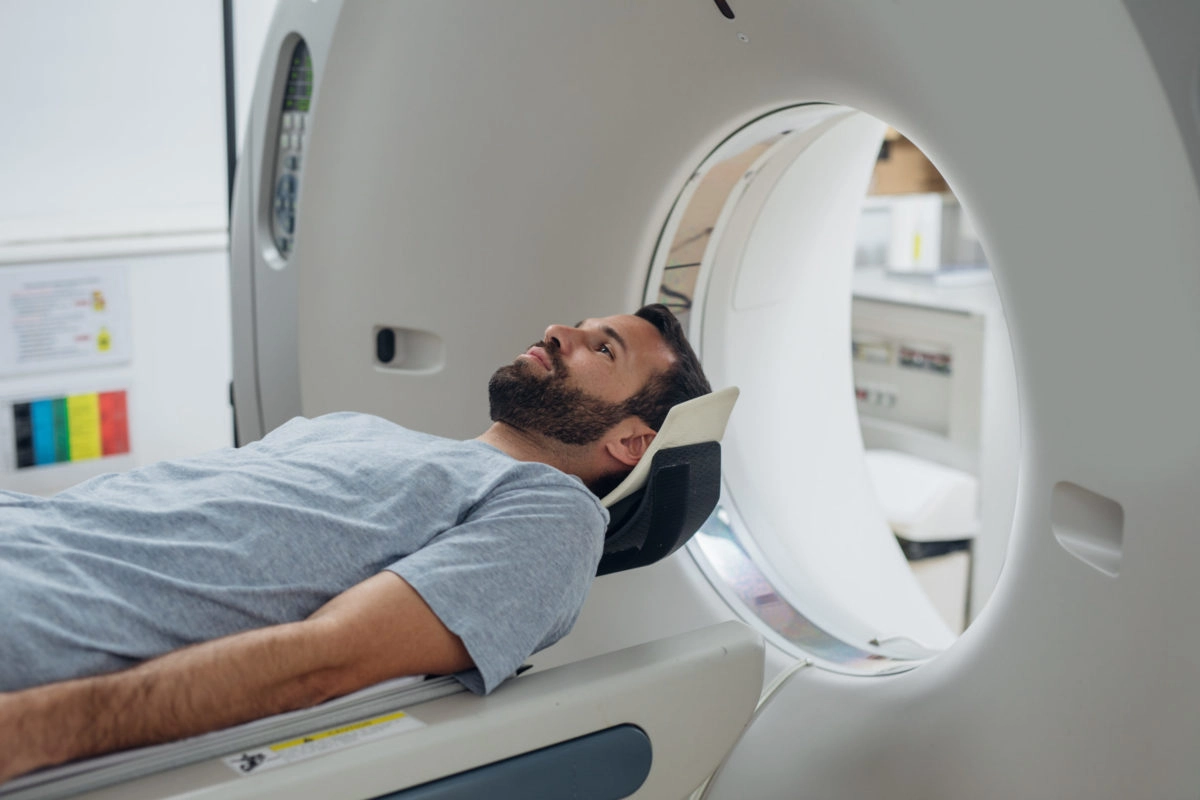
Long, cylindrical magnets have been the basis of conventional MRI systems for years. Maintaining a consistent and powerful magnetic field called for confining the patient within a small tunnel. Although it produced a terrible setting for anybody with a tendency towards anxiety or claustrophobia, this design produced great image quality.
Patients inside that tube were encircled on all sides by the magnet, sometimes with just a few inches of clearance between their face and the machine’s interior wall. The tense atmosphere was heightened by the abrupt knocking noises that went with every imaging series. Though the actual distance increased the feeling of solitude, technologists could converse with patients via an intercom.
Many people thought the experience unpleasant enough to demand sedation, and some shunned scans altogether. Engineers and radiologists started investigating ways to modify MRI machines without losing accuracy as patient comfort grew increasingly important.

Open MRI’s Innovation
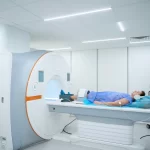
The objective of integrating diagnostic precision with human comfort gave birth to open MRI technology. Designers rearranged the equipment into a C-shaped or two-plate design instead of surrounding the patient in a full circle. This let the sides of the scanner stay open, therefore providing more visibility, room, and ventilation.
Powerful but little magnets are used in these new designs to retain a steady magnetic field without the need of a closed cylinder. Modern developments in coil design and computer processing have narrowed much of that performance gap; they often run at somewhat lower magnetic intensities than conventional 1.5- or 3-Tesla scanners. Open MRI produces similarly accurate results for most examinations, ranging from joint studies to abdominal scans.
Open MRI Feels So Varied for a Reason
From a patient’s view, the transformation is instantaneous. The machine no longer looms overhead like a tunnel; the open design lets light flood the room. You may maintain a sense of command, breathe normally, and view out into the space. One cannot exaggerate the psychological impact this causes.
Openness seen by the brain no more sets off the same panic response connected with imprisonment. Muscle tension and heart rate stay decreased, and breathing stays regular. Since you can stay more naturally still, the whole body stays calmer, therefore aiding in the creation of sharper images.
Noise levels are also lower. Although some mechanical noises—magnetic coils still switch rapidly—the acoustic pattern is gentler and less resonant than in closed systems. This could be the distinction between relaxation and anxiety for sensory-sensitive patients.
Inside the Magnet: Maintaining Power
Keeping magnetic strength constant while leaving area open was among the engineering problems open MRI presented. By encircling the body with the magnet, conventional closed MRIs produce a completely uniform magnetic field. Open MRIs have an arrangement of magnetic poles and gradient coils that direct the field horizontally or vertically instead.
Advanced computer algorithms continuously modify the field during scanning to preserve its stability, while specifically positioned surface coils near the body assist to capture more concentrated signals. Open MRI systems’ architecture—that is, open—
High-field magnets used in many current open MRI scanners —up to 1.2 Tesla—reach the picture quality of closed 1.5-Tesla systems. The outcome is a machine that combines diagnostic accuracy with a significantly improved patient experience.
Comfort, Clarity, and Communication
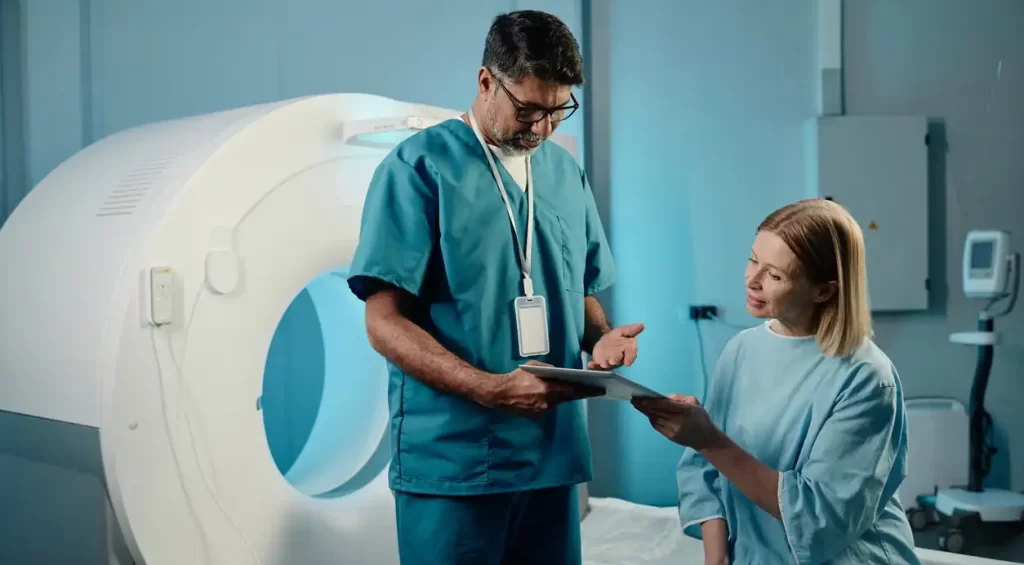
Open MRI’s real distinction is not simply physics but human design. From lighting and arrangement to temperature and sound control, every component is intended to improve patient comfort. Throughout the test, the technologist is nearby and available to speak to you anytime. That continuing interaction helps you relax, knowing you’re never alone in the process, and also helps build trust.
Many imaging centers today go even further by using calming colors, music, or natural images to foster a sense of tranquility. Rather than opposition, the open setting encourages collaboration; staying still does not need a fight against anxiety. Let the technology take its course and settle naturally.
Open MRI: Who gains the most?
Open MRI technology benefits nearly everyone, but those who previously found MRI scans unbearable have seen the greatest change. Patients with claustrophobia mri machine, panic disorder, posttraumatic stress disorder, or movement problems frequently first finish their scans with relative ease. Larger-bodied patients like the extra room, and children find the experience less terrifying since they can see out and occasionally grasp a parent’s hand.
Furthermore enabling radiologists to more easily capture photos of joints or extremities is flexible positioning allowed for by the open structure. Shoulder, knee, or spine studies, for instance, can be carried out such that they feel natural rather than pushed. Better imaging and happier patients result from these concrete developments.
MRI Comfort in the Future
Open MRI machine reflects a wider change in medicine whereby patient comfort is no longer an after-thought. Engineers keep perfecting magnet design to provide open experience while simultaneously raising picture quality. Some modern systems even let patients sit or stand during scanning, therefore providing absolutely new level of flexibility.
More hybrid systems fusing open designs with high-field imaging capability will probably show up as technology advances. MRI’s future will be one where compassion and accuracy coexist without interruption.
Conclusion
Open MRI is founded on elegant, human-centric science. Engineers have made sophisticated imaging accessible to everyone by rethinking the magnetic structure and focusing on how people genuinely feel inside the scanner. The outcome is a system that not just exposes the inside of the body but also respects the comfort of the individual within.
If an MRI has ever made you dread it, it’s wise to view for yourself the progress the technology has made. Open MRI alters patients’ experience of care as well as the science of imaging.